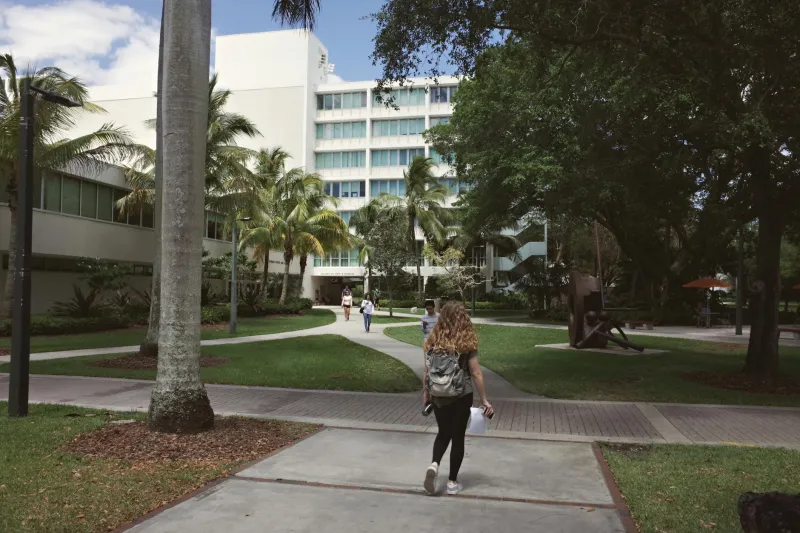
In 1976, Mark Thompson worked 15 hours a week at a campus bookstore to pay his way through Ohio State University. His annual tuition was $540. His part-time job paid $2.30 an hour, meaning he could cover a full year of education with about 235 hours of work—roughly six weeks of full-time employment. Last year, his daughter needed to work 1,200 hours at Ohio State's current minimum wage just to cover in-state tuition. The same degree that once cost six weeks of work now requires seven months.
 Photo: Ohio State University, via logodix.com
When College Was a One-Time Purchase
For most of the post-war era, college operated on a fundamentally different financial model. Public universities were heavily subsidized by state governments, treating higher education as a public good rather than a private investment. The average annual tuition at four-year public universities in 1976 was $617 in today's dollars. Room and board added another $1,800. A motivated student could graduate debt-free by working summers and weekends.
Private colleges were more expensive but still accessible to middle-class families. Harvard's tuition in 1976 was $3,740, equivalent to about $18,000 today. Expensive, yes, but manageable for families who saved diligently. Most students who borrowed money graduated with debt loads equivalent to a modest car payment, not a second mortgage.
The Summer Job That Paid for Everything
Students developed sophisticated strategies around seasonal work. Construction jobs, restaurant shifts, and retail positions weren't just spending money—they were education funding. A disciplined student could earn enough during summer break to cover most of their annual expenses.
Jim Rodriguez worked at a steel mill in Gary, Indiana, during the summers of 1978-1981. "Three months of twelve-hour shifts paid for my entire year at Indiana University," he recalls. "Tuition, books, apartment, food—everything. I graduated with $1,200 in the bank."
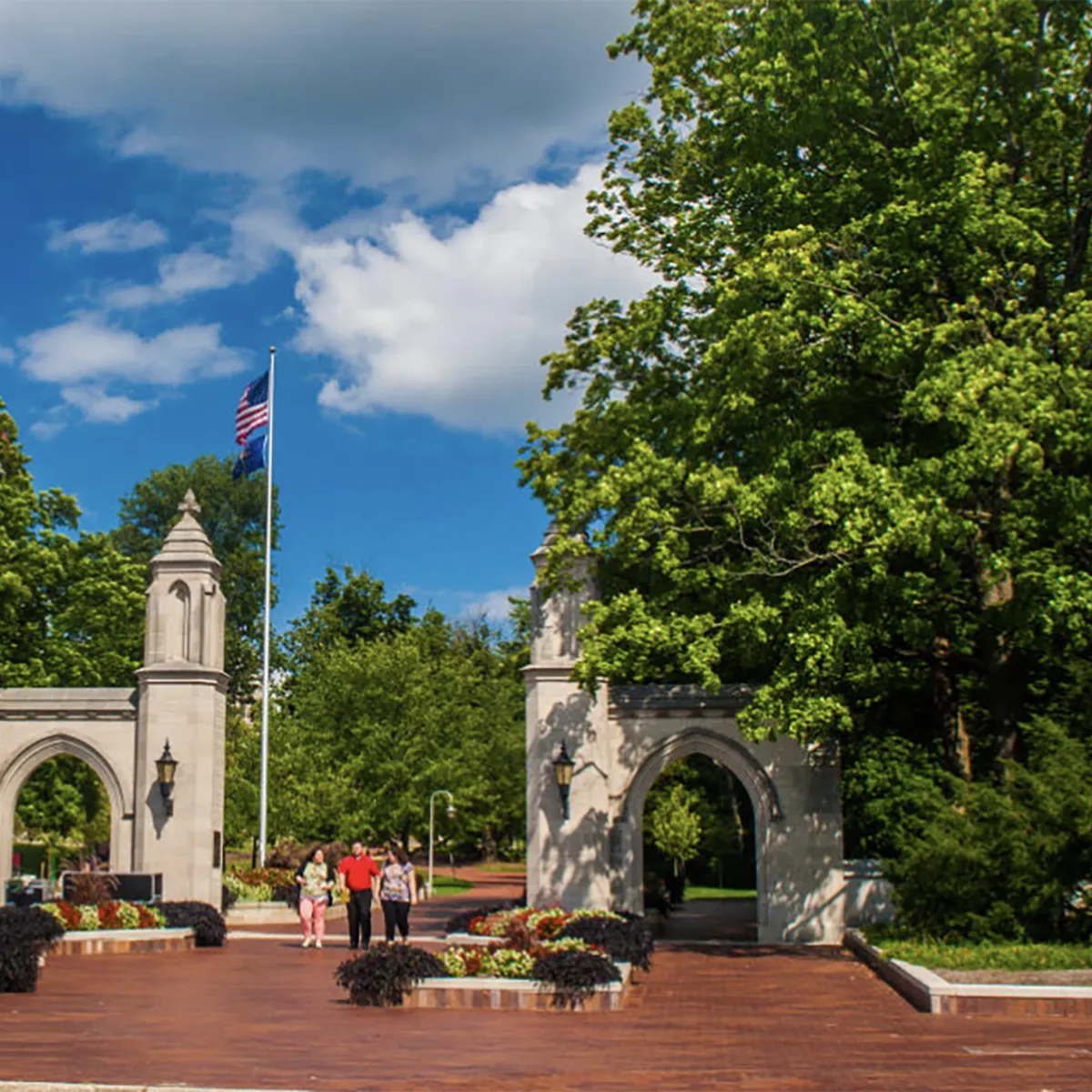 Photo: Indiana University, via www.hillel.org
This wasn't exceptional; it was normal. College costs were calibrated to working-class earnings in ways that seem almost quaint today.
The Great Acceleration
Something fundamental shifted in the 1980s. College costs began rising faster than inflation, faster than wages, faster than housing prices—faster than almost anything else in the American economy. Between 1980 and 2020, average tuition increased by 1,200% while wages rose just 300%.
The causes were complex and interconnected. State governments reduced higher education funding, shifting costs to students. Federal financial aid programs, designed to make college more accessible, inadvertently enabled universities to raise prices. The rise of college rankings created competitive pressures to spend on amenities, administration, and prestige projects.
Meanwhile, the economy increasingly demanded college credentials for jobs that hadn't previously required them. College stopped being one path to the middle class and became the only reliable path.
The Debt Revolution
As costs soared beyond what part-time work could cover, student loans transformed from rare exceptions to standard operating procedure. The federal government expanded lending programs, making it easier for students to borrow larger amounts. Private lenders entered the market, offering loans with fewer restrictions but higher rates.
Students began treating education debt like other forms of investment borrowing. If a college degree increased lifetime earnings by $1 million, borrowing $30,000 seemed rational. But this logic ignored crucial differences: student loans couldn't be discharged in bankruptcy, and their benefits were neither guaranteed nor immediately realized.
When Debt Became Destiny
Today's college experience bears little resemblance to the 1970s model. The average graduate leaves school with $37,000 in debt, while those pursuing advanced degrees often accumulate six-figure obligations. These debt loads reshape entire life trajectories in ways previous generations couldn't imagine.
Dr. Sarah Kim graduated from medical school in 2019 with $280,000 in student loans. Despite earning a doctor's salary, her monthly loan payments exceed her mortgage. "My parents keep asking when I'm going to buy a house and start a family," she says. "They don't understand that my education debt makes those decisions for me."
The Ripple Effects
Student debt now influences decisions far beyond education. Young adults delay homeownership, postpone marriage, and avoid having children until their loans are manageable. Entire industries—from starter homes to family restaurants—have been reshaped by a generation that enters adulthood already leveraged to the hilt.
The debt burden also influences career choices in ways that distort the broader economy. Graduates with large loan payments gravitate toward high-paying fields regardless of their interests or society's needs. Public service careers that previous generations could afford become luxuries reserved for those with family wealth or extraordinary financial discipline.
The New Class Divide
High college costs have created a new form of class stratification. Wealthy families can still afford to pay cash for education, allowing their children to graduate debt-free and take career risks. Middle-class students borrow heavily and must prioritize financial security over passion. Low-income students, despite financial aid, often work multiple jobs while attending school, extending graduation timelines and reducing academic success.
The promise that higher education would serve as a great equalizer has been inverted. College now amplifies existing inequalities rather than reducing them.
The COVID Reckoning
The pandemic forced a long-overdue conversation about college value. Students paying full tuition for online classes began questioning what they were actually purchasing. Enrollment declined, particularly at expensive private institutions. Some colleges responded with tuition freezes or cuts, but these adjustments barely dented decades of accumulated increases.
Meanwhile, alternative credentials—coding bootcamps, professional certificates, apprenticeships—gained legitimacy as employers struggled to fill positions. The monopoly that four-year degrees once held over middle-class employment began showing cracks.
The Path Forward
The transformation of college from affordable stepping stone to financial gamble represents one of the most dramatic economic shifts in modern American life. A generation that could work their way through school has been replaced by one that must bet their financial future on the value of their education.
Whether this system is sustainable remains an open question. Student loan forgiveness programs provide temporary relief but don't address underlying cost structures. Some states are reinvesting in public higher education, while others continue cutting support. Alternative pathways to career success are emerging, but they haven't yet replaced the cultural and economic dominance of traditional college degrees.
For now, American families face a choice their grandparents never had to make: accept crushing debt for a college education, or risk economic marginalization without one. It's a choice that reveals how far we've traveled from an era when education was a public good rather than a private gamble.