Beyond The Index Home

Category

Culture

31 articles


When the Whole Country Watched the Same Thing at the Same Time

When the Whole Country Watched the Same Thing at the Same Time

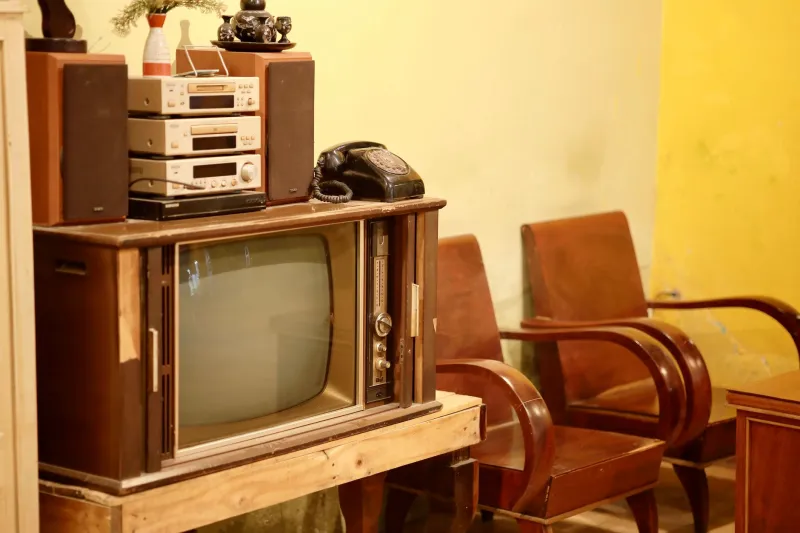
There was a moment in American life when a single television broadcast could stop the nation cold — when nearly every household tuned to the same channel at the same hour and experienced the same thing simultaneously. That era is essentially over. We traded the shared moment for personal freedom, and we're still figuring out what we gave up in the exchange.

The Day Had a Last Page: What America Traded Away When the News Never Stopped

The Day Had a Last Page: What America Traded Away When the News Never Stopped

For most of American history, the news cycle had a closing time. The morning paper landed on the porch, the evening broadcast wrapped up at 6:30, and then the information day was over. That enforced pause — maddening when you needed it least — turned out to be doing something essential that we didn't notice until it was gone.

The Invisible Safety Net That Used to Live Next Door

The Invisible Safety Net That Used to Live Next Door

Before security cameras, social media, and Ring doorbells, Americans were watched over by something far more powerful: their neighbors. The block-level web of mutual obligation that once held communities together didn't have a name, but its disappearance left a hole that no app has managed to fill.

The Night the Lights Came Up: How the Movies Stopped Being an Event and Became a Transaction

The Night the Lights Came Up: How the Movies Stopped Being an Event and Became a Transaction

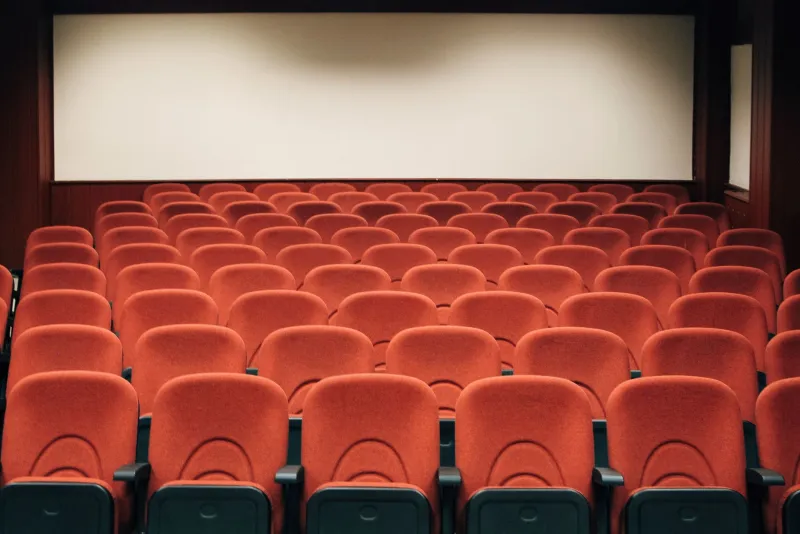
There was a time when going to the movies meant clearing your entire evening — double features, newsreels, cartoons, an intermission, and a lobby that felt like a destination in itself. The story of how Hollywood turned a four-hour communal ritual into a 90-minute streaming competitor is more fascinating — and more melancholy — than most people realize.

When America Had Bedtime: The Lost Rhythm of Cities That Actually Slept

When America Had Bedtime: The Lost Rhythm of Cities That Actually Slept

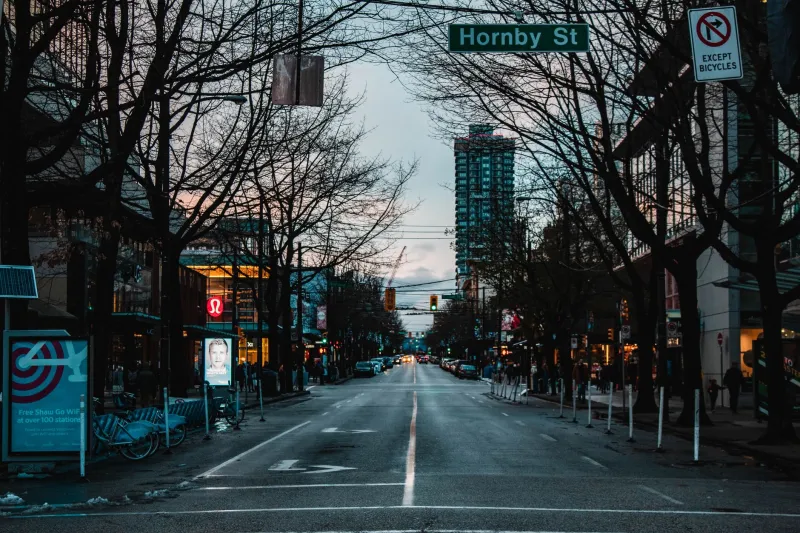
Before the 24-hour economy transformed American cities, there was something almost magical about the collective rhythm of urban life — stores closed by six, restaurants went dark by nine, and the streets genuinely emptied. This shared sense of closing time has all but vanished.

The Geography of Dreams: How America Broke Free From the Tyranny of Place

The Geography of Dreams: How America Broke Free From the Tyranny of Place

For generations, American children grew up knowing their futures were written in the geography around them — coal country kids became miners, farm town kids worked the land, and city kids inherited their parents' factory jobs. Today, a laptop and Wi-Fi connection can unlock opportunities that once required a one-way ticket to Manhattan or Silicon Valley.

September Surprise: When School Enrollment Was as Simple as Showing Up

September Surprise: When School Enrollment Was as Simple as Showing Up

A generation ago, enrolling your child in the local public school often meant little more than walking them to the front door on the first day. Today's maze of online portals and documentation requirements would have seemed absurd to parents who expected education to be as accessible as the neighborhood itself.

The 24-Shot Gamble: When Every Photo Was a Leap of Faith

The 24-Shot Gamble: When Every Photo Was a Leap of Faith

Before smartphones turned us all into photographers, capturing a memory meant careful planning, patient waiting, and accepting that half your shots might be ruined by a closed eye or bad lighting. The psychology of photography has fundamentally changed—and we might have lost something essential in the process.

When Workers Actually Left Their Desks: The Death of the Sacred Lunch Hour

When Workers Actually Left Their Desks: The Death of the Sacred Lunch Hour

There was a time when the lunch whistle meant work stopped — completely. Workers would leave their desks, eat real meals, and return refreshed. Today's sad desk salad eaten between Zoom calls represents more than convenience; it's the final surrender in the battle for personal time during the workday.

The Lost Hour: How America Forgot to Stop and Eat

The Lost Hour: How America Forgot to Stop and Eat

There was a time when every American worker vanished from their desk between noon and one o'clock. That daily ritual of the proper lunch break didn't just feed bodies—it fed communities, relationships, and sanity in ways we're only now beginning to understand.

When Sunday Was Sacred: How Americans Lost the Right to Rest

When Sunday Was Sacred: How Americans Lost the Right to Rest

The American weekend was once considered untouchable — a sacred 48 hours when work stopped and life began. Today's hustle culture has quietly erased those boundaries, turning Saturday and Sunday into extensions of the office.

The Infinite Catalog: Why Having Everything to Watch Made Choosing Anything Harder

The Infinite Catalog: Why Having Everything to Watch Made Choosing Anything Harder

In 1975, an American family could flip through five channels and find something to watch in minutes. Today, a single streaming service offers more content than a person could consume in a lifetime—yet we spend longer deciding what to watch than actually watching it. The abundance that was supposed to liberate us has created a peculiar new kind of scarcity.