From Wall Street's Back Room to Your 401(k): How the Stock Market Stopped Being a Rich Man's Club
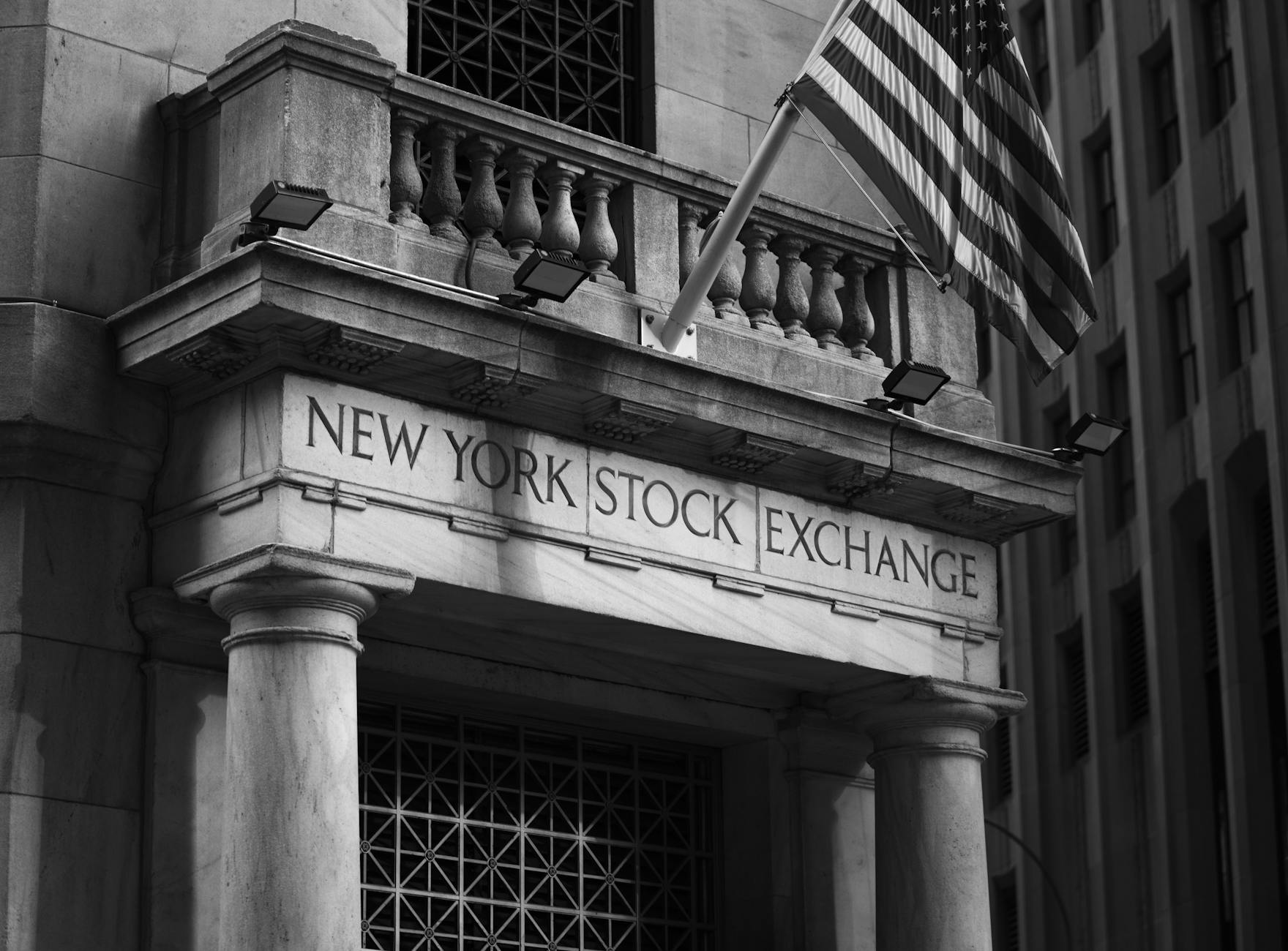
From Wall Street's Back Room to Your 401(k): How the Stock Market Stopped Being a Rich Man's Club
Somewhere in the noise of a busy news cycle, the Dow Jones Industrial Average quietly crossed 40,000 points. Anchors mentioned it. Social media briefly lit up. Then everyone moved on.
And that reaction — the collective shrug — might actually be the most remarkable part of the whole story.
Because for most of American history, the stock market wasn't something ordinary people shrugged about. It wasn't something they thought about at all. It belonged to someone else.
When the Dow Was a Number You Read About, Not One You Owned
The Dow Jones Industrial Average was created in 1896, tracking a small basket of industrial companies as a rough pulse-check on American business. By the 1920s, it had climbed into the hundreds. By the post-war boom of the 1950s, it was flirting with 500.
Those numbers made headlines. But for most American households, they were about as personally relevant as the price of a private yacht.
Investing in stocks in the 1950s and early 1960s meant having a broker — a real human being, usually working out of a mahogany-paneled office — who you'd call to place a trade. Minimum investments were steep. Transaction fees were high. And the cultural assumption was clear: the market was for people with money to spare, not for factory workers, teachers, or nurses trying to stretch a paycheck.
In 1952, only about 6.5 million Americans owned stock — roughly 4% of the population. The market's milestones were celebrated in the business press, discussed at country clubs, and largely ignored everywhere else.
The Machinery That Changed Everything
The shift didn't happen overnight, and it didn't come from a single dramatic moment. It came from a series of quiet, almost bureaucratic changes that slowly dismantled the velvet rope.
In 1975, the SEC deregulated brokerage commissions, ending a fixed-fee system that had kept trading expensive for decades. Suddenly, competition drove costs down. Discount brokers emerged. The market got a little less exclusive.
Then came 1978 — and a small section of the tax code called 401(k), named after the paragraph that created it. It wasn't designed to be revolutionary. But it was.
By allowing workers to invest pre-tax dollars directly from their paychecks into market-linked accounts, the 401(k) did something no ad campaign ever could: it made investing automatic. You didn't have to call a broker. You didn't have to pick stocks. You just had to show up to work and not opt out.
Index funds — pioneered by Vanguard founder John Bogle in 1976 — finished the job. Instead of paying a fund manager to try to beat the market (and usually fail), everyday investors could simply own the market at a fraction of the cost.
The Dow at 40,000: Who's Actually Celebrating?
Here's the number that matters more than 40,000: today, roughly 61% of American households have some form of stock market exposure. Most of them got there through a workplace retirement plan or a low-cost index fund — not through a broker in a wood-paneled office.
That's not a perfect story. Wealth distribution in this country remains deeply unequal, and the top 10% of households still own around 87% of all stocks. The market's gains don't land evenly. That's worth saying plainly.
But the directional change is real and significant. In the span of roughly 70 years, the stock market went from a closed institution accessible to a narrow slice of wealthy Americans to something quietly humming inside the retirement accounts of teachers, truck drivers, and office administrators across the country.
When the Dow crossed 10,000 in 1999, there were street celebrations in lower Manhattan. When it crossed 40,000 in 2024, most people found out from a push notification between meetings.
That shift in reaction — from spectacle to background noise — tells you everything about how normalized market participation has become.
What the Number Actually Represents
It's worth pausing on what Dow 40,000 means in real, inflation-adjusted terms. The Dow at 1,000 in 1972 had enormous purchasing power. Today's 40,000 reflects five decades of inflation as much as it reflects genuine wealth creation. In real terms, the gains are still substantial — but they're not as dramatic as the raw number suggests.
What has changed dramatically is access. A 25-year-old today who enrolls in their company's 401(k) and selects a low-cost index fund is doing something their grandparents couldn't have done — not because they lacked the discipline, but because the infrastructure simply didn't exist.
The market didn't become more democratic because Wall Street had a change of heart. It happened because of policy changes, cost compression, and financial products that removed friction from the process.
A Long Way From the Ticker Tape
There's something quietly extraordinary about checking a retirement account balance on a phone app during a lunch break. It's so ordinary now that most people don't register what it represents: the end result of decades of structural change that gradually opened one of history's most powerful wealth-building tools to people who were never supposed to be in the room.
The Dow at 40,000 is a number. But the real milestone is the one that doesn't make headlines — the slow, unglamorous process by which the stock market stopped being something that happened to rich people and started being something that, for better or worse, happens to most of us.