Picture this: It's 1962, and Bob from accounting has just left for his annual two-week vacation to Lake George. His desk is cleared, his phone goes unanswered, and his colleagues know better than to expect any contact until he returns — tanned, rested, and genuinely refreshed. Fast-forward to today, and Bob's modern counterpart is responding to urgent Slack messages from a beach chair, laptop balanced precariously on his knees.
 Photo: Lake George, via assets.simpleviewinc.com
Somewhere along the way, America quietly dismantled one of the most fundamental aspects of work-life balance: the inviolable right to completely disconnect.
When Vacation Actually Meant Vacation
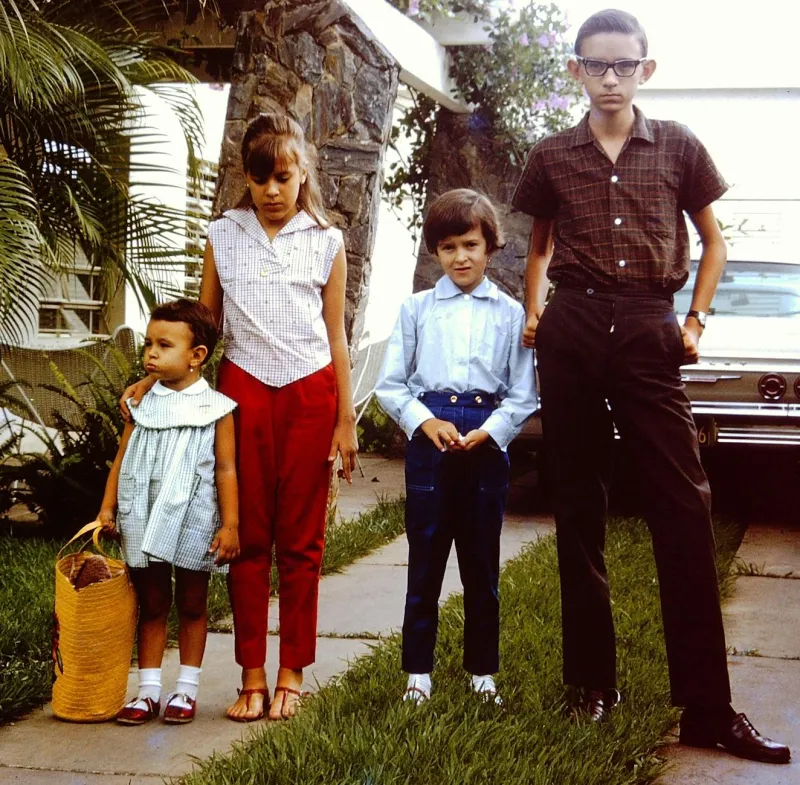
In the postwar boom of the 1950s and 60s, the American vacation was a sacred institution. Workers at major corporations like General Motors or IBM didn't just get time off — they were expected to use it. The concept was radical in its simplicity: for two consecutive weeks, you ceased to exist as an employee.
 Photo: General Motors, via i0.wp.com
There were no cell phones to buzz with "quick questions," no email to check "just once," and no expectation that urgent matters couldn't wait. If the office needed you, they were out of luck. This wasn't seen as irresponsible — it was seen as healthy, necessary, and entirely normal.
The statistics from this era tell a remarkable story. In 1970, the average American worker used 20.3 vacation days per year. Companies actively encouraged this usage, viewing well-rested employees as more productive and loyal. Vacation time was a recruiting tool, a retention strategy, and a point of pride.
The Slow Erosion of Rest
The transformation didn't happen overnight. It began in the 1980s as corporate culture shifted toward lean operations and increased competition. The first casualty was the length of vacations. Those leisurely two-week escapes gradually shortened to long weekends punctuated by brief getaways.
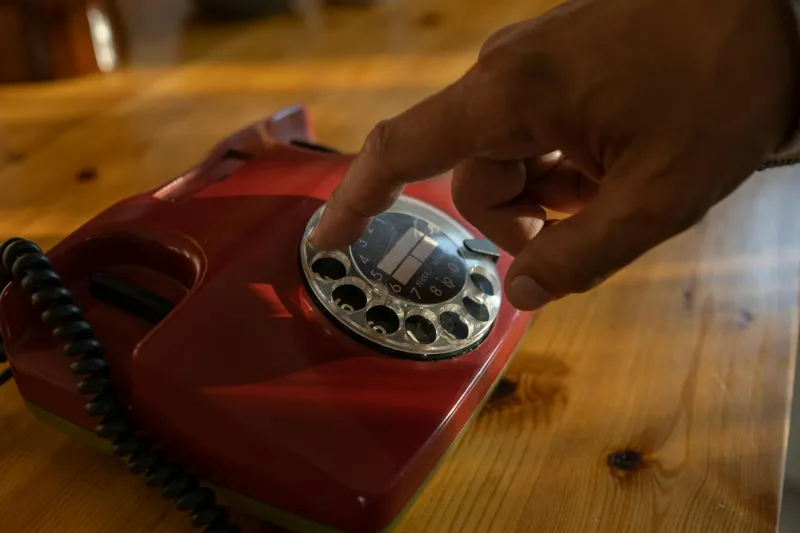
By the 1990s, technology began its insidious creep into personal time. Pagers meant you could be reached "in case of emergency" — a definition that seemed to expand daily. The early 2000s brought BlackBerrys, earning them the nickname "CrackBerry" for their addictive pull on professional attention.
Today's smartphone culture has completed the transformation. The average American worker checks work email 74 times per day, including during supposed vacation time. We've created a culture where being unreachable feels irresponsible rather than restorative.
The Numbers Don't Lie
Modern American vacation patterns would shock workers from previous generations. Despite having an average of 23 paid vacation days available, American workers use only 17.4 days per year. That's 768 million unused vacation days annually — time that simply evaporates, benefiting no one.
Even more troubling is what happens to the vacation days we do take. Surveys consistently show that 61% of Americans work while on vacation, with 24% checking email every few hours. The average "vacationing" American spends 2.5 hours per day on work-related tasks.
This stands in stark contrast to our European counterparts, who have not only maintained but expanded their vacation culture. French workers average 25 vacation days and use 24.5 of them. Germans take 24 out of 25 available days. The idea of working during vacation is not just discouraged in these cultures — it's often legally prohibited.
The Technology Trap
The tools that were supposed to make work more efficient have instead made work omnipresent. Laptops meant you could work from anywhere — but that quickly became an expectation to work from everywhere. Video calls eliminated the excuse of being unreachable. Cloud storage meant your files followed you to Cabo.
Social media added another layer of complexity. Posting vacation photos became a form of workplace guilt, with colleagues seeing your beach selfies while they handled your responsibilities. The result? Many workers now take "secret vacations" or feel compelled to work harder before and after time off to compensate for their absence.
What We've Lost
The disappearance of true vacation time represents more than just a workplace trend — it's a fundamental shift in how Americans view rest, productivity, and human worth. The old model recognized that sustained performance required sustained recovery. Today's model treats exhaustion as a badge of honor and rest as a luxury few can afford.
Research consistently shows that well-rested employees are more creative, make better decisions, and experience less burnout. Countries with stronger vacation cultures often outperform the United States in productivity metrics, suggesting that our always-on approach isn't just harmful — it's counterproductive.
The psychological impact is equally significant. True vacation time once provided space for reflection, relationship building, and personal growth. When every moment away from the office includes a thread of work anxiety, these deeper benefits disappear.
The Path Back to Rest
Some American companies are beginning to recognize what they've lost. A growing number offer unlimited vacation policies, though early results suggest these often lead to employees taking less time off, not more. Others are implementing "vacation requirements" or technology blackouts during time off.
The most successful approaches seem to involve cultural change from the top down. When executives model true disconnection during their vacations, employees feel permission to do the same. When companies measure success by outcomes rather than hours logged, the pressure to be always available naturally diminishes.
Reclaiming Sacred Time
The American vacation didn't disappear overnight, and it won't return overnight either. But recognizing what we've lost is the first step toward reclaiming it. In a world where productivity has become our primary virtue, perhaps it's time to remember that the most productive thing you can sometimes do is absolutely nothing at all.
After all, Bob from accounting in 1962 didn't return from Lake George less committed to his job — he returned more energized to do it well. Maybe it's time we trusted ourselves with that same gift.