When Flying Was for the Few: The Remarkable Story of How the Skies Opened Up for Everyone
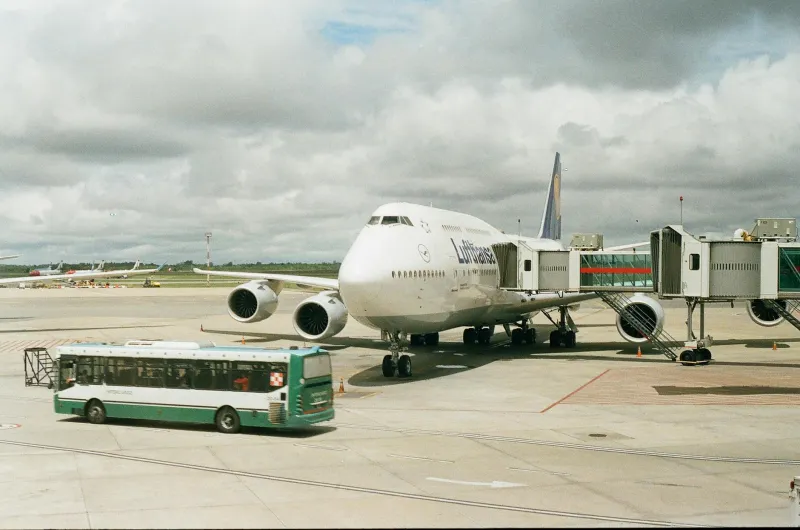
When Flying Was for the Few: The Remarkable Story of How the Skies Opened Up for Everyone
Imagine saving up for six months just to visit your family across the country. Not for a car. Not for a down payment. For a plane ticket. That was the quiet reality for most Americans well into the 1960s — and yet almost nobody talks about it when they complain about a middle seat or a bag fee.
The story of how commercial aviation went from a velvet-rope luxury to something you book on your phone during a lunch break is one of the more dramatic economic transformations of the last century. It involves government control, a single piece of legislation, and a scrappy airline from Texas that changed everything.
The Golden Age Wasn't Golden for Everyone
There's a reason old photos of airport terminals look like cocktail parties. The passengers boarding those early commercial flights — Pan Am, TWA, Eastern — were dressed to impress because the occasion demanded it. Flying wasn't transportation. It was an event.
A round-trip ticket from New York to Los Angeles in 1955 cost around $150 — which sounds reasonable until you adjust for inflation and realize that's roughly $1,700 in today's dollars. For a factory worker or a schoolteacher, that figure was simply out of reach. The Civil Aeronautics Board, the federal agency that regulated domestic air travel from 1938 onward, set ticket prices at fixed rates and tightly controlled which airlines could fly which routes. Competition was essentially illegal.
Airlines competed instead on service. Meals were multi-course affairs. Seats were wide. Flight attendants — exclusively women, and subject to weight and age restrictions that would be illegal today — were trained to project elegance. The whole experience was engineered to justify the price and reinforce the sense that you were doing something special.
For the wealthy and the corporate traveler on an expense account, it worked beautifully. For the other 90% of Americans, flying remained something you read about, not something you did.
The Law That Changed Everything
In 1978, President Jimmy Carter signed the Airline Deregulation Act. It didn't make the news the way a moon landing does, but its long-term consequences were just as sweeping.
Almost overnight, airlines were free to set their own prices, open new routes, and compete directly with one another. The CAB was phased out entirely. New carriers flooded the market. Existing airlines scrambled to cut costs and undercut rivals. Fares dropped sharply in the years that followed — on some heavily traveled routes, by more than 50% within a decade.
The airline that most aggressively exploited the new landscape was Southwest. Founded in Texas, Southwest operated with a stripped-down model that cut out meals, assigned seating, and the other trappings of the old glamour era. It passed the savings to passengers. Tickets that once required weeks of planning and a significant financial commitment became impulse purchases.
Other budget carriers followed — Frontier, People Express, and eventually JetBlue and Spirit — each iteration pushing fares lower and making the experience a little less ceremonial and a little more like riding a bus with wings. That last part isn't always a compliment, but the accessibility it created is genuinely extraordinary.
Technology Finished the Job
Deregulation opened the gates, but technology blew them off the hinges.
Yield management software — the algorithms that adjust ticket prices in real time based on demand, booking patterns, and seat availability — allowed airlines to fill planes more efficiently and offer deeply discounted fares on routes and dates that might otherwise fly half-empty. That's why booking on a Tuesday in February for a Wednesday in March can sometimes cost less than a dinner out.
Online booking platforms like Expedia and Kayak, and later Google Flights, handed price transparency directly to consumers for the first time. You no longer needed a travel agent or a phone call to compare options. You could see every available fare on a given route in seconds and choose accordingly. The airlines hated it and adapted to it in equal measure.
The result: the average domestic airfare in the United States today, adjusted for inflation, is roughly 50% lower than it was in 1980. On certain routes, flying is genuinely cheaper per mile than driving — once you factor in gas, time, and wear on your vehicle.
What We Gained, What We Gave Up
It would be dishonest to call modern air travel an unqualified improvement. The seats got smaller as the planes got fuller. Checked bags now cost money. Meals disappeared on most domestic flights. The sense of occasion evaporated entirely.
But here's the number that reframes all of it: in 1965, about 100 million passengers flew commercially in the United States. In 2019, before the pandemic disrupted everything, that number was 926 million. Nearly ten times as many people, flying because they can afford to.
First-generation immigrants visiting family back home. College students on spring break. Retirees finally making it to a national park they'd dreamed about for decades. None of that was possible in the golden age, no matter how good the food was.
The glamour is gone. The access is real. And for most Americans, that trade-off turned out to be worth every bag fee.