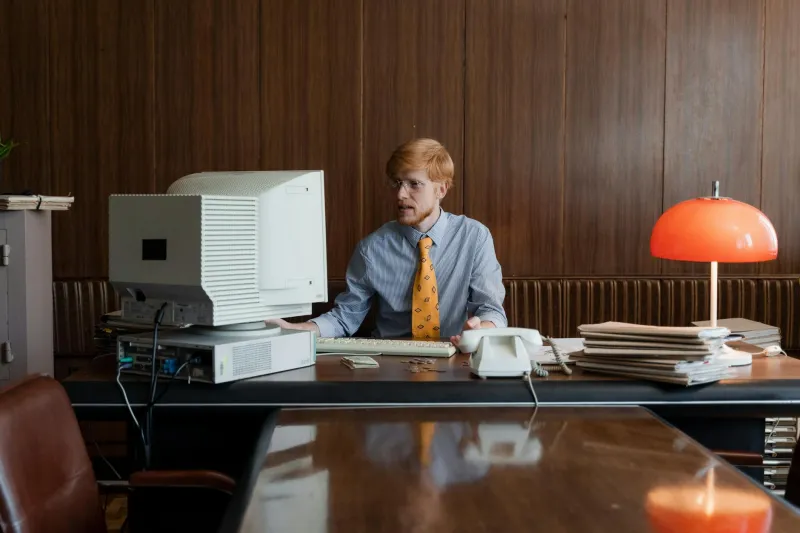
In 1995, booking a vacation required a conversation with Linda. Linda was your travel agent, and she possessed something you didn't: access to airline reservation systems, hotel inventories, and rental car databases. Without Linda, you were effectively locked out of the travel economy. Today, Linda's entire profession has been reduced to a nostalgic memory, replaced by apps that put more booking power in your pocket than she ever wielded from behind her desk.
The Age of Professional Gatekeepers
For most of the 20th century, American commerce operated through layers of professional intermediaries. These weren't just service providers—they were gatekeepers who controlled access to entire markets. Want to buy stocks? You needed a broker. Planning a trip? You needed a travel agent. Buying insurance? You needed an agent. Looking for a house? You needed a realtor.
These professionals didn't just facilitate transactions; they controlled information. Travel agents had access to computerized reservation systems that cost hundreds of thousands of dollars to install. Stockbrokers possessed real-time market data that ordinary investors couldn't obtain. Insurance agents understood policy language that seemed deliberately designed to confuse outsiders.
The Information Monopoly
The power of these middlemen rested on information asymmetry. In 1990, a travel agent could see every available flight between New York and Los Angeles, compare prices across airlines, and access wholesale rates unavailable to the public. Consumers, meanwhile, had to call individual airlines, wait on hold, and accept whatever price they were quoted.
 Photo: Los Angeles, via www.ioes.ucla.edu
Stockbrokers wielded even more dramatic power. Before online trading, buying 100 shares of IBM required a phone call to your broker, who would charge you $75 for the privilege of executing a transaction that cost them pennies to process. The New York Stock Exchange was literally a closed club—ordinary Americans could only participate by paying tribute to its members.
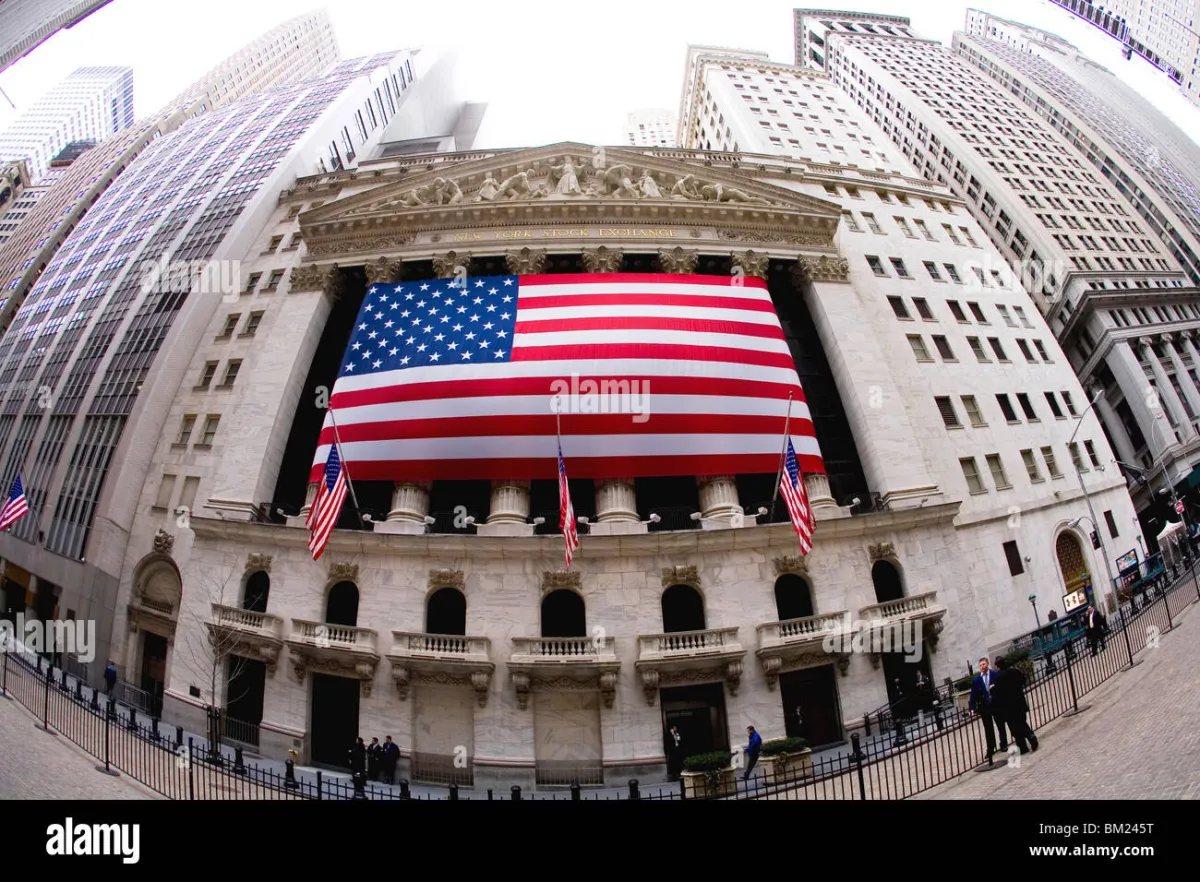 Photo: New York Stock Exchange, via c8.alamy.com
Record labels controlled not just music distribution but music discovery. Radio stations played what labels promoted. Record stores stocked what labels distributed. Musicians who couldn't secure label backing remained effectively invisible to potential audiences.
The Digital Demolition
The internet didn't just compete with these intermediaries—it obliterated their fundamental value proposition. Why call a travel agent when Expedia could show you every available flight, hotel, and rental car option in seconds? Why pay a broker $75 per trade when E-Trade charged $7? Why accept whatever music radio stations played when Napster (and later Spotify) offered access to virtually everything ever recorded?
The speed of this transformation was breathtaking. Travel agencies employed 124,000 Americans in 2000. By 2010, that number had fallen to 82,000. Many survivors specialized in complex corporate travel or exotic destinations—niches where human expertise still commanded premiums.
Stock brokerage firms faced similar devastation. Charles Schwab, which had built its reputation on discount trading, found itself competing with platforms offering free trades. The average commission per trade fell from $45 in 1995 to essentially zero by 2020.
The Spotify Moment
Perhaps no industry illustrates this transformation better than music. In 1995, record labels controlled every aspect of the music economy: which artists got recorded, how music was distributed, and what consumers could access. The entire system was built on scarcity—limited shelf space in record stores, limited airplay on radio stations, limited promotional budgets.
Digital platforms destroyed this scarcity overnight. Spotify hosts over 80 million songs, more music than any human could consume in multiple lifetimes. Artists can upload directly to streaming platforms, bypassing labels entirely. Playlist algorithms have replaced radio DJs as the primary drivers of music discovery.
What We Lost in Translation
Yet something valuable disappeared alongside these middlemen. Travel agents didn't just book flights—they provided expertise, advocacy, and problem-solving when things went wrong. A good stockbroker offered investment advice tailored to individual circumstances. Record label executives, for all their flaws, served as quality filters in an industry that now struggles with discoverability amid infinite choice.
The democratization of access came with hidden costs. Online travel booking shifted the burden of research and problem-solving to consumers. DIY investing platforms made trading easier but didn't make investment decisions any wiser. Streaming platforms offer unlimited choice but often leave listeners overwhelmed by options.
The Platform Economy's New Middlemen
Ironically, eliminating traditional middlemen simply created space for new ones. Google became the middleman between consumers and information. Amazon became the middleman between buyers and sellers. Spotify became the middleman between artists and audiences.
These digital intermediaries wield power that dwarfs their analog predecessors. A travel agent might have influenced your vacation plans; Google's search algorithm shapes how millions of people understand reality. The difference is visibility—traditional middlemen were obviously intermediaries, while digital platforms often disguise their gatekeeping function behind claims of neutrality.
The Unfinished Revolution
Some industries have proven surprisingly resistant to disintermediation. Real estate remains dominated by agents despite multiple attempts to create direct buyer-seller platforms. Healthcare still relies heavily on insurance companies that add layers of complexity rather than value. Higher education maintains its stranglehold on credentialing despite the availability of world-class educational content online.
The pattern suggests that middlemen survive when they provide genuine value beyond information access—expertise, advocacy, risk mitigation, or regulatory navigation. Those who simply controlled information flow have been swept away by digital abundance.
The great disintermediation has fundamentally restructured American commerce, shifting power from professional gatekeepers to platforms and algorithms. Whether this represents progress depends partly on your perspective and partly on your digital literacy. For those comfortable navigating online systems, the world has opened up in unprecedented ways. For others, the elimination of human intermediaries has created new forms of exclusion and confusion.
The middleman economy didn't disappear—it evolved, consolidated, and moved online. The question isn't whether we need intermediaries, but which ones deserve to survive and how much power we're willing to grant their digital successors.