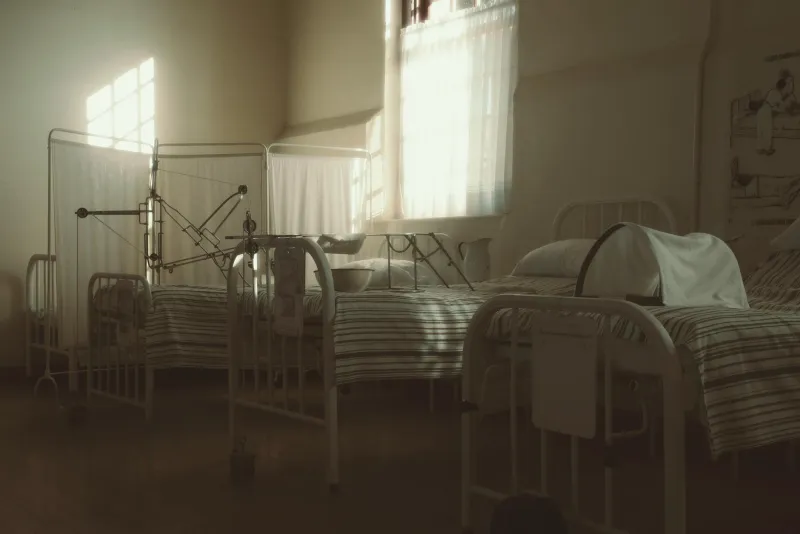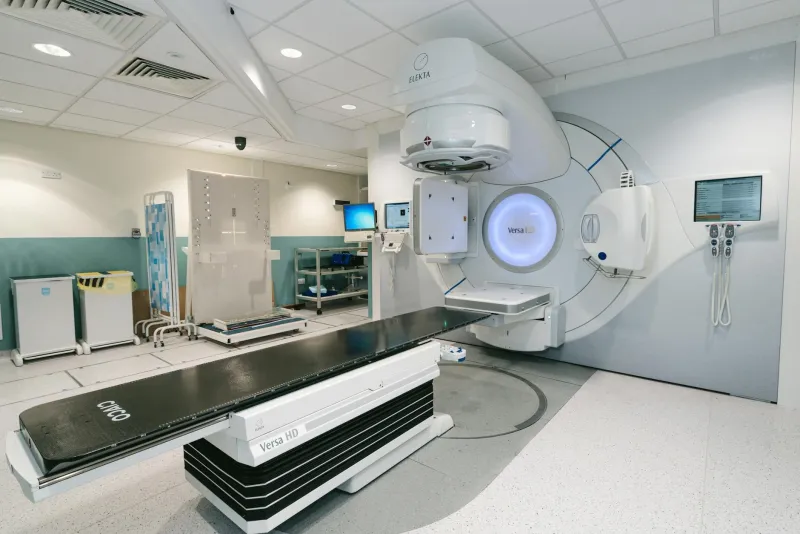
In 1971, when President Nixon declared war on cancer, the battlefield looked nothing like today's medical landscape. Back then, a cancer diagnosis carried the weight of finality — doctors often told families before they told patients, and conversations shifted immediately from treatment to preparation.
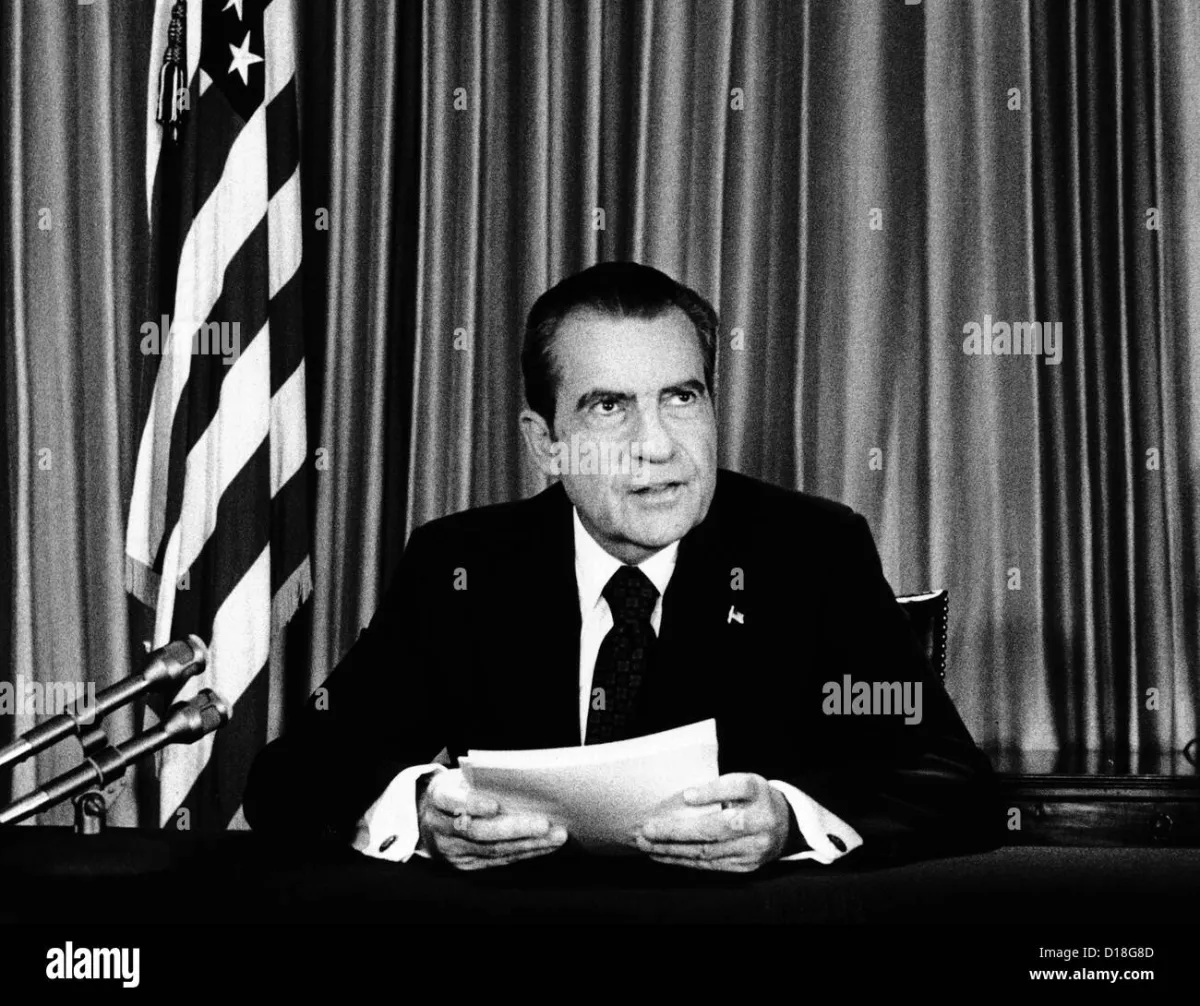 Photo: President Nixon, via c8.alamy.com
The numbers tell a stark story. In the 1970s, the five-year survival rate for all cancers combined hovered around 49%. Today, it's climbed to nearly 70%. But those statistics barely capture the human reality of what it meant to hear "you have cancer" in an era when hope was a luxury few could afford.
When Doctors Whispered and Families Gathered
Dr. Margaret Chen, now 78, started her oncology practice in 1975. "We had so little to offer," she recalls. "Surgery, radiation, and a handful of chemotherapy drugs that often made patients sicker than the cancer itself. I spent more time helping families say goodbye than helping patients get better."
 Photo: Dr. Margaret Chen, via urbanstudies.brussels
The medical establishment operated under a paternalistic model where doctors routinely withheld diagnoses from patients. A 1961 study found that 90% of physicians preferred not to tell patients they had cancer. Families gathered for hushed conferences in hospital hallways while patients remained in the dark about their own conditions.
This wasn't cruelty — it was the standard of care in an era when a cancer diagnosis truly was a death sentence for most. Childhood leukemia killed 95% of patients. Pancreatic cancer was virtually 100% fatal. Even breast cancer, now highly treatable when caught early, claimed the majority of women who developed it.
The Brutal Mathematics of Limited Options
Treatment options were crude by today's standards. Surgery meant massive, disfiguring operations. The Halsted radical mastectomy, standard treatment for breast cancer until the 1970s, removed not just the breast but chest muscles and lymph nodes, leaving women permanently disabled. The reasoning was simple: if you couldn't target cancer precisely, you had to remove everything that might harbor it.
Radiation therapy used equipment that seems primitive now — machines that couldn't focus beams precisely, meaning healthy tissue absorbed massive doses alongside cancerous cells. Chemotherapy consisted of a few highly toxic drugs that attacked all rapidly dividing cells, not just cancer cells. Patients lost their hair, their appetite, their immune systems, and often their lives to treatments that had only marginal success rates.
The psychological toll was enormous. Families mortgaged homes for treatments that rarely worked. Children grew up knowing their parent was dying. The word "cancer" itself became synonymous with death in American culture.
The Revolution Hidden in Plain Sight
What changed everything wasn't one breakthrough but hundreds of smaller advances that accumulated over decades. The development of CT scans in the 1970s meant doctors could see inside the body without cutting it open. The discovery of tumor suppressor genes in the 1980s revealed that cancer wasn't one disease but hundreds of different diseases requiring different approaches.
The real revolution began in the 1990s with targeted therapies — drugs designed to attack specific genetic mutations that drive particular cancers. Herceptin for HER2-positive breast cancer. Gleevec for chronic myeloid leukemia. These weren't chemotherapy drugs that poisoned everything in their path; they were precision weapons that could distinguish between healthy cells and cancer cells.
Immunotherapy, which harnesses the body's own immune system to fight cancer, has turned some terminal diagnoses into chronic conditions. Former President Jimmy Carter, diagnosed with metastatic melanoma at age 90, received immunotherapy and lived cancer-free for years afterward — a outcome that would have been impossible just a decade earlier.
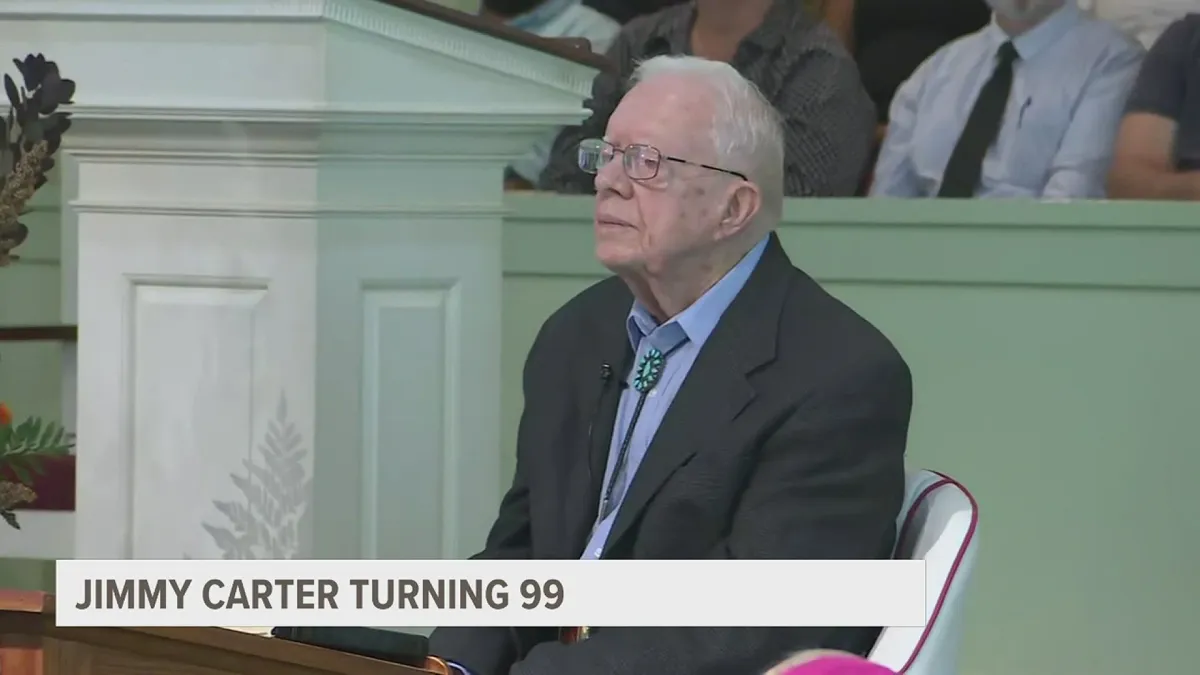 Photo: Former President Jimmy Carter, via media.tegna-media.com
Living in the After
Today, approximately 18 million Americans are cancer survivors. That's roughly the entire population of New York State — people who are alive because they developed cancer in an era when medicine had answers their predecessors never had.
The psychological landscape has transformed as completely as the medical one. Cancer support groups focus on survivorship rather than preparation for death. Patients research their own conditions online and arrive at appointments with questions about targeted therapies and clinical trials. The conversation has shifted from "how long do I have?" to "which treatment option is best for my specific situation?"
Even the language has changed. Oncologists speak of "chronic cancer" the way previous generations talked about diabetes — a serious condition requiring ongoing management but not necessarily a death sentence.
The Quiet Miracle
Perhaps the most remarkable aspect of this transformation is how quietly it happened. There was no single moment when cancer stopped being automatically fatal — just thousands of small victories that accumulated into a revolution. Clinical trials that extended life by months, which became years. Diagnostic tools that caught cancers earlier. Support systems that helped patients endure treatments long enough for them to work.
Walk through any American neighborhood today and you'll pass houses where people live full lives with conditions that would have killed them in their grandparents' generation. They coach Little League with port scars from chemotherapy. They retire with decades of survivorship behind them. They represent one of medicine's greatest achievements: the transformation of a death sentence into a diagnosis.
The war on cancer that Nixon declared isn't over. But for millions of Americans, the battlefield looks nothing like it did fifty years ago. And that difference — between counting days and counting years — represents one of the most profound victories in the history of human medicine.