The Doctor Will See You... Eventually
In 1985, if you needed to see a cardiologist in most American cities, you'd mark your calendar for three to six months out. If you were lucky. The receptionist would flip through a massive appointment book, pen hovering over dates that seemed impossibly far away, and offer you a slot that felt more like a distant vacation than urgent medical care.
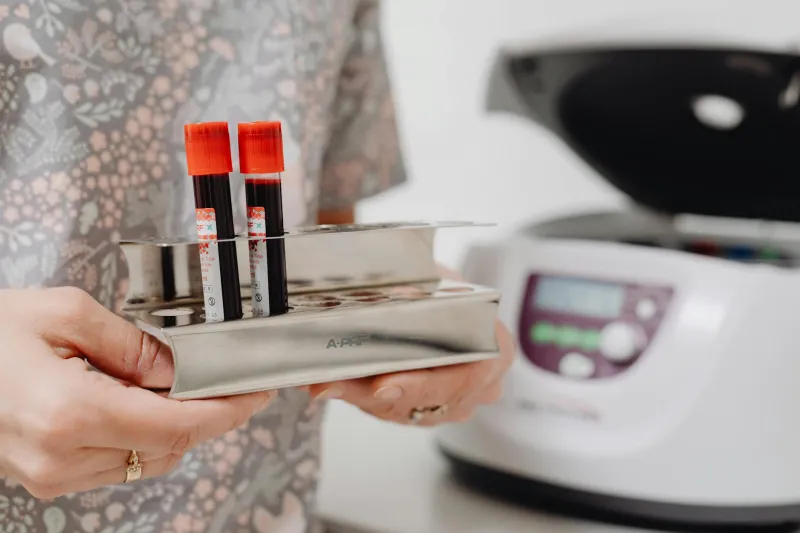
Back then, the phrase "we'll call you when the results come in" carried genuine weight. Lab work disappeared into a black hole of processing centers, where technicians manually analyzed samples and typed reports on actual typewriters. Results traveled by mail, taking anywhere from a week to a month to reach your doctor's office. Then your doctor had to review them, dictate notes to a secretary, and mail you a letter or call during business hours when you might actually be home to answer.
Today, that same cardiac workup happens in hours, not months. Urgent care centers perform EKGs on the spot. Telemedicine consultations connect you to specialists within days. Lab results ping your phone before you've even left the parking lot.
The Paper Trail That Slowed Everything Down
The old system wasn't just slow—it was actively designed to create bottlenecks. When your family doctor wanted to refer you to a specialist, they'd dictate a letter to their secretary, who would type it up, mail it to the specialist's office, where another secretary would file it and eventually schedule your appointment weeks later. The specialist's office would then mail you an appointment confirmation.
If you needed to cancel or reschedule? Start the whole process over again.
Insurance authorizations moved at the same glacial pace. Your doctor's office would submit paperwork by mail, wait for approval, then schedule your procedure. Emergency situations aside, nothing in healthcare happened quickly because nothing could happen quickly.
Lab work epitomized this sluggish system. Blood drawn on Monday might not generate results until the following Monday—or later. Complex tests like biopsies could take weeks. Imaging studies required film processing, radiologist review, and written reports that traveled through multiple hands before reaching the doctor who ordered them.
When Time Meant Everything
This wasn't just inconvenient—it was dangerous. Heart attacks went undiagnosed for weeks while patients waited for stress tests. Cancers grew while biopsies crawled through processing queues. Infections spread while cultures incubated in distant labs.
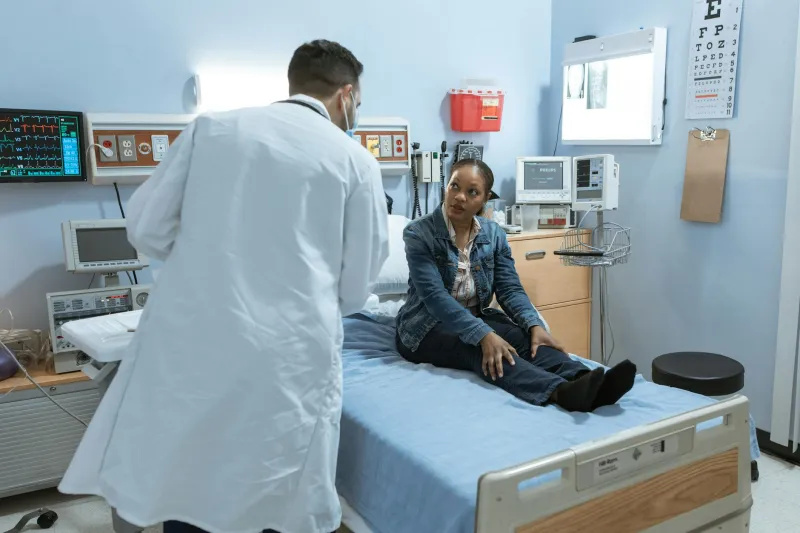
Consider the experience of someone with chest pain in 1980 versus today. Then, you'd see your family doctor, who might order an EKG and chest X-ray. If those raised concerns, you'd wait weeks for a cardiologist appointment, then more weeks for a stress test, then additional weeks for results. The entire process could stretch across months.
Today, that same patient walks into an urgent care center and leaves with EKG results, blood work, and either reassurance or a direct admission to the hospital for immediate treatment. What once took months now happens in hours.
The Specialist Shortage That Shaped Medicine
The long waits weren't just about inefficient systems—they reflected genuine scarcity. Fewer doctors specialized in complex fields, and those who did concentrated in major cities. Rural Americans often faced even longer delays, sometimes traveling hundreds of miles for specialist care that might not be available for months.
This scarcity shaped how medicine was practiced. Primary care doctors handled more complex cases themselves because specialist referrals were so difficult to arrange. Patients learned to live with symptoms longer, accepting uncertainty as part of the healthcare experience.
The Digital Revolution That Changed Everything
The transformation didn't happen overnight, but when it came, it was revolutionary. Electronic health records eliminated the paper shuffle. Digital imaging meant X-rays and MRIs could be read immediately by radiologists anywhere in the world. Automated lab equipment processed blood work in minutes instead of days.
Telemedicine, accelerated by the COVID-19 pandemic, collapsed geographic barriers entirely. A patient in rural Montana can now consult with a specialist at Johns Hopkins within days of their primary care visit. Video consultations happen same-day. Follow-up appointments that once required months of scheduling now happen with a few clicks.
What We Lost in the Translation
The old system, for all its frustrations, did create something valuable: time for reflection. Doctors had weeks to consider complex cases, consult colleagues, and research unusual conditions. Patients processed their diagnoses gradually, with time to ask questions and seek second opinions.
Today's rapid-fire healthcare sometimes feels rushed. Same-day results can overwhelm patients who aren't prepared for immediate life-changing news. The efficiency we've gained sometimes comes at the cost of the thoughtful, measured approach that time once forced upon the system.
The New Normal
Yet few would trade today's speed for yesterday's certainty of delay. When a parent worries about their child's symptoms, getting answers in hours instead of weeks can mean the difference between anxiety and relief, between early treatment and advanced disease.
The transformation of American healthcare from a slow, paper-based system to today's digital, immediate-response model represents one of the most dramatic changes in how we experience medicine. What once required patience now demands quick decision-making. What once took months now happens in moments.
For all the challenges of modern healthcare, the ability to get answers quickly—to know rather than wonder, to treat rather than wait—represents a fundamental improvement in how medicine serves the people who need it most.