When Buying a Car Required Theatrical Performance: The Death of Dealership Drama
The Saturday Ritual Nobody Missed
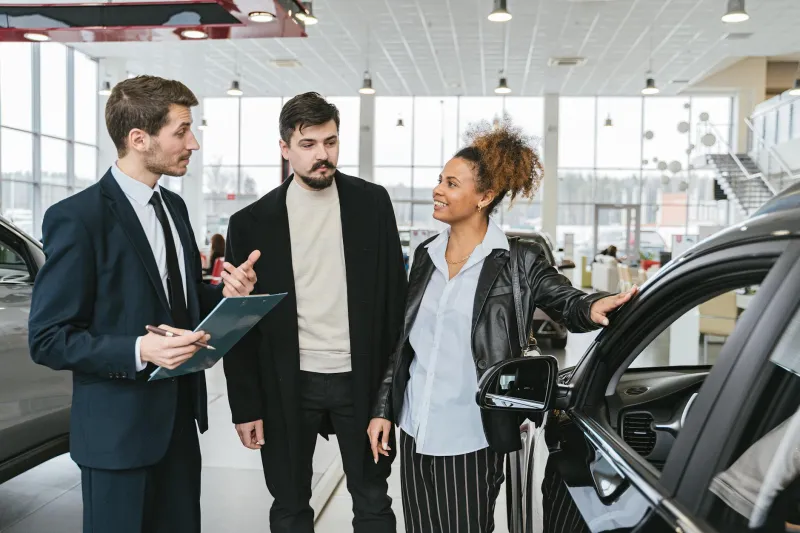
Every American over 40 remembers the drill. You'd wake up Saturday morning, steel yourself for battle, and drive to the dealership knowing you were about to enter a carefully choreographed performance where everyone pretended the sticker price meant something.
The salesman — and it was almost always a man — would greet you with practiced enthusiasm, ask what brought you in today, and begin the elaborate dance that could stretch for hours. He'd disappear into the mysterious back office to "talk to his manager" about your offer, returning with a counter-proposal scribbled on a worksheet that looked like it was designed to confuse rather than clarify.
This wasn't just commerce. It was theater. And for most of the 20th century, it was the only way ordinary Americans could buy cars.
The Information Revolution Changes Everything
The first crack in the dealership's armor came in the 1990s with websites like Edmunds and Kelley Blue Book moving online. Suddenly, buyers could research actual dealer costs, compare prices across models, and walk onto a lot armed with information that had previously been the exclusive domain of salespeople.
But knowledge was just the beginning. The real transformation started when technology began eliminating the need for the dealership entirely.
Online configurators let buyers build their perfect car from home, selecting everything from paint color to interior trim without a salesperson hovering nearby. Financing moved online too — banks and credit unions began offering auto loans with rates you could see upfront, no "let me see what I can do" required.
Tesla Breaks the Mold
When Tesla opened its first stores in shopping malls rather than traditional lots, it wasn't just about location — it was about psychology. The company's employees were paid salaries, not commissions. They answered questions rather than applied pressure. Most importantly, the price was the price. No negotiation, no games, no theater.
Traditional automakers initially dismissed Tesla's approach as a luxury market quirk. But as other direct-to-consumer brands like Lucid, Rivian, and Polestar followed suit, it became clear that customers preferred transparency over tradition.
The Pandemic Accelerates Change
COVID-19 delivered the final blow to the old system. Suddenly, spending hours in a cramped dealership office felt not just unpleasant but dangerous. Buyers who might have been reluctant to purchase a car sight unseen became willing converts to online shopping.
Dealerships that survived adapted quickly. Curbside delivery, virtual test drives, and complete online transactions went from experimental to essential almost overnight. Some dealers discovered they could sell more cars with less overhead by embracing the digital transformation they'd previously resisted.
The New Math of Car Buying
Today's car purchase looks radically different. The average buyer spends less than two hours at a dealership — and many never visit one at all. They've already researched models online, secured financing through their bank, and know exactly what they want to pay before making contact with a seller.
For many Americans, the car now comes to them. Companies like Carvana, Vroom, and even traditional dealers offer home delivery, turning car buying from a day-long ordeal into something closer to ordering a large appliance.
The financial implications are significant too. Without the pressure tactics and information asymmetry that characterized traditional dealerships, buyers are making more rational decisions. They're comparing total cost of ownership rather than just monthly payments, and they're less likely to be talked into expensive add-ons they don't need.
What We Lost and What We Gained
The old system wasn't entirely without merit. Skilled salespeople could help buyers navigate complex options and find vehicles that met needs they hadn't fully articulated. Test drives on familiar local roads provided valuable real-world experience that virtual reality can't quite replicate.
But for most Americans, the trade-off has been overwhelmingly positive. The stress, time commitment, and adversarial nature of traditional car buying created genuine anxiety for millions of people. Many delayed necessary purchases or made suboptimal decisions simply to avoid the dealership experience.
The Broader Transformation
The revolution in car buying reflects a broader shift in how Americans make major purchases. The gatekeepers who once controlled access to information and financing have been systematically replaced by algorithms and online platforms.
Real estate, insurance, mortgages — industry after industry has seen similar transformations as technology eliminated the information advantages that traditional intermediaries relied upon.
Looking Forward
Today's car buyers enjoy something their parents couldn't imagine: transparency, convenience, and actual choice in how they make one of their largest purchases. The elaborate performance that once defined American car buying has given way to something more honest, efficient, and ultimately more respectful of buyers' time and intelligence.
It's a reminder that some traditions deserve to disappear — especially when they were built more on power imbalances than genuine value creation.