When Finding Out What Was Wrong With You Was Half the Battle: The Revolution in Reading Your Body's Secrets
In 1975, if you walked into a doctor's office complaining of chest pain, you were in for a long, expensive, and terrifying journey toward maybe getting an answer.
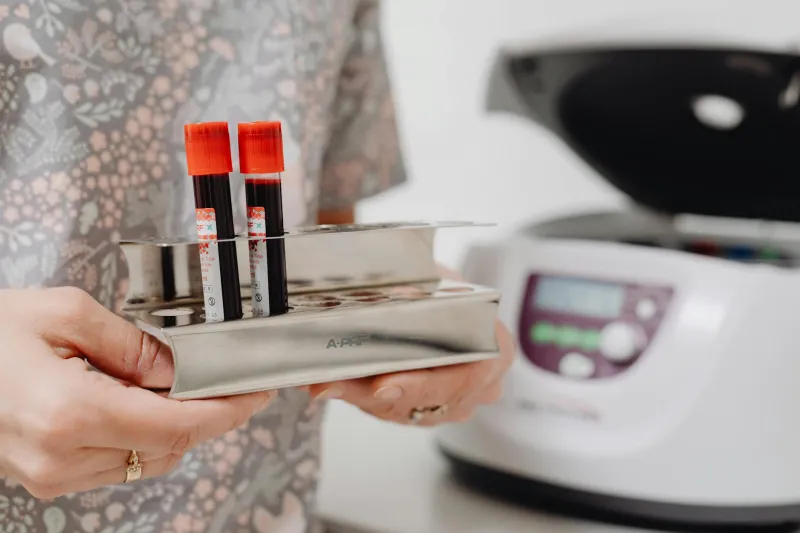
First, your doctor would listen to your heart with a stethoscope—the same basic tool doctors had been using since 1816. Then came the waiting. Blood work meant vials shipped to a central laboratory across town, or even across the state. Results took three to five business days, assuming nothing went wrong with the samples. An electrocardiogram required a machine the size of a briefcase and a technician who knew how to operate it. If you needed an echocardiogram to see your heart in action, you'd wait weeks for an appointment with one of the few cardiologists in your area who had access to the room-sized ultrasound equipment.
Meanwhile, if you were having a heart attack, you were probably dying.
The Deadly Mathematics of Delayed Diagnosis
The numbers from that era tell a brutal story. In the 1970s, about 40% of heart attack patients died before reaching the hospital or within the first few hours of arrival. Not because doctors didn't know how to treat heart attacks, but because by the time they figured out what was happening, too much heart muscle had already died.
Diabetes was even more of a guessing game. The standard test required you to fast for 12 hours, drink a sugary solution that made you feel sick, then sit in a waiting room for two hours while your body processed it. Blood draws every 30 minutes. Results a week later. If you were diabetic, you'd been damaging your blood vessels, kidneys, and nerves for months or years before anyone figured it out.
Infections were often a process of elimination that could take weeks. Doctors would culture bacteria from your blood or urine, wait for colonies to grow in petri dishes, then test different antibiotics to see what worked. While you waited, the infection spread.
The Miniaturization Revolution
Today, that same chest pain patient gets answers in minutes, not weeks.
A handheld device about the size of a smartphone can run a complete metabolic panel from a single drop of blood in 13 minutes. The same tests that once required a central lab, specialized equipment, and days of waiting now happen at your bedside while you're still talking to your doctor.
Troponin levels—the protein that leaks from damaged heart muscle—show up on a screen before you've finished describing your symptoms. An EKG machine weighs less than a laptop and connects wirelessly to your doctor's tablet. In many emergency rooms, AI algorithms scan your heart rhythm in real-time and alert cardiologists before a human has even looked at the results.
Continuous glucose monitors have turned diabetes management from a guessing game into a real-time data stream. Instead of painful finger pricks and delayed results, diabetics now wear sensors that beam blood sugar readings to their smartphones every minute. The device learns your patterns and warns you about dangerous drops or spikes before you feel them.
What Speed Actually Saves
The transformation isn't just about convenience—it's about the difference between living and dying, between permanent damage and full recovery.
Modern heart attack patients who get to a hospital within an hour have a 95% survival rate. The "door-to-balloon" time—from walking into the emergency room to having a blocked artery reopened—has dropped from hours to less than 90 minutes at most major hospitals. That speed is only possible because diagnosis now happens faster than treatment.
Strokes follow the same pattern. "Time is brain," neurologists say, because every minute of delayed treatment means more brain cells die. CT scans that once took an hour to schedule and interpret now happen in minutes. Blood tests that check for clotting disorders—crucial for determining stroke treatment—deliver results before the patient is out of the scanner.
Even routine infections that once required days of guesswork now get identified in hours. Rapid strep tests, flu screenings, and COVID detection happen in minutes rather than days. The difference is measured not just in comfort, but in how quickly people get back to work, school, and life.
The Invisible Infrastructure of Instant Answers
What made this speed possible wasn't just better machines—it was rethinking the entire system of how medical information flows.
Labs that once operated like isolated islands now connect through digital networks that share results instantly across hospitals, clinics, and specialist offices. Your morning blood work automatically populates your cardiologist's computer system before your afternoon appointment.
Artificial intelligence now does the pattern recognition that once required years of medical training. Algorithms scan chest X-rays for pneumonia, analyze skin photos for cancer, and review eye exams for diabetic complications. They don't replace doctors, but they eliminate the bottlenecks that once made diagnosis feel like detective work.
What We Gained and What We Lost
The speed revolution solved the problem of diagnostic delay, but it created new challenges around information overload and overtesting. When every test is fast and cheap, the temptation is to order everything "just to be safe." Sometimes, more information creates more anxiety rather than more clarity.
The old system, for all its flaws, forced doctors to be more thoughtful about which tests to order and when. The physical constraints of slow, expensive testing meant physicians relied more heavily on clinical examination and patient history. Some argue that diagnostic speed has made medicine less personal and more algorithmic.
But for the millions of Americans whose heart attacks, strokes, and infections are now caught in time rather than too late, the trade-off feels obvious. The luxury of contemplative medicine was always paid for by someone else's suffering.
The revolution in diagnostic speed represents one of medicine's quietest victories—the elimination of a type of suffering so common that previous generations simply accepted it as inevitable. Today's patients have no idea how much agony they've been spared, simply because the answers come fast enough to matter.