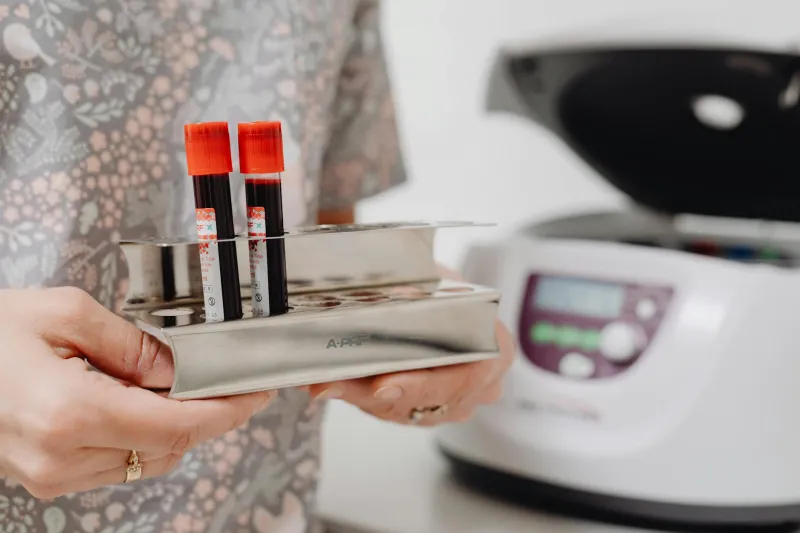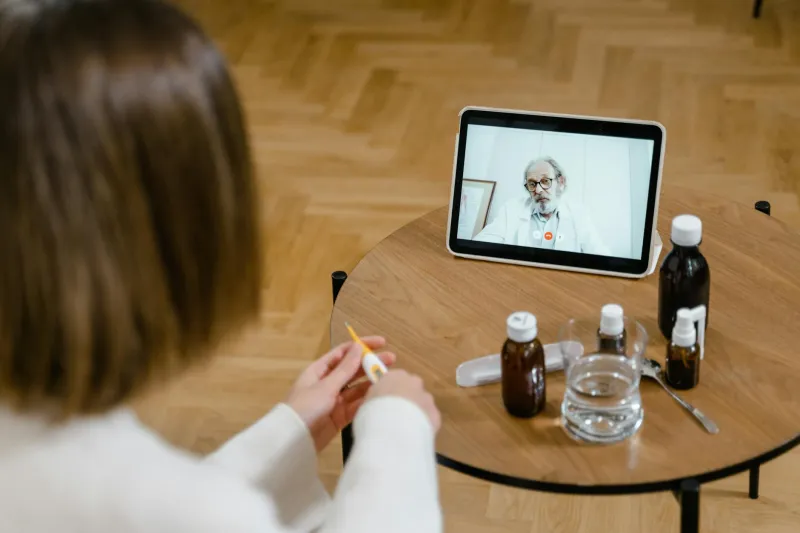
In 1985, Sarah Mitchell discovered a lump in her breast while living in rural Montana. The nearest oncologist was 280 miles away in Billings, with a four-month waiting list. By the time she got her appointment, drove the six-hour round trip, and received her diagnosis, the cancer had spread. Today, a patient in Sarah's situation could consult with a specialist within hours, sometimes minutes, from their kitchen table.
The Geography of Illness
For most of American history, your zip code determined your medical fate. Rural Americans routinely faced impossible choices: ignore symptoms and hope for the best, or uproot their lives to chase medical care in distant cities. The statistics were stark—in 1980, 56% of rural counties lacked a single specialist, and the average wait time for a cardiology consultation outside major metropolitan areas stretched beyond six months.
The problem wasn't just distance. It was economics. Specialists clustered in wealthy urban areas where they could maintain profitable practices. A neurologist in Manhattan might see thirty patients a day; their counterpart in rural Wyoming would struggle to fill half that schedule. The math was brutal and predictable.
When Waiting Rooms Became Hotel Rooms
Families developed elaborate strategies around medical appointments. They'd plan mini-vacations around specialist visits, booking hotel rooms near major medical centers and scheduling multiple appointments during single trips. Some families kept second addresses near hospitals, creating a shadow life around their medical needs.
The Mayo Clinic in Rochester, Minnesota, built an entire economy around this reality. Hotels, restaurants, and extended-stay facilities sprouted around the medical campus, creating a parallel city designed for people whose lives had been temporarily reorganized around illness. Similar ecosystems emerged around Cleveland Clinic, Johns Hopkins, and other medical destinations.
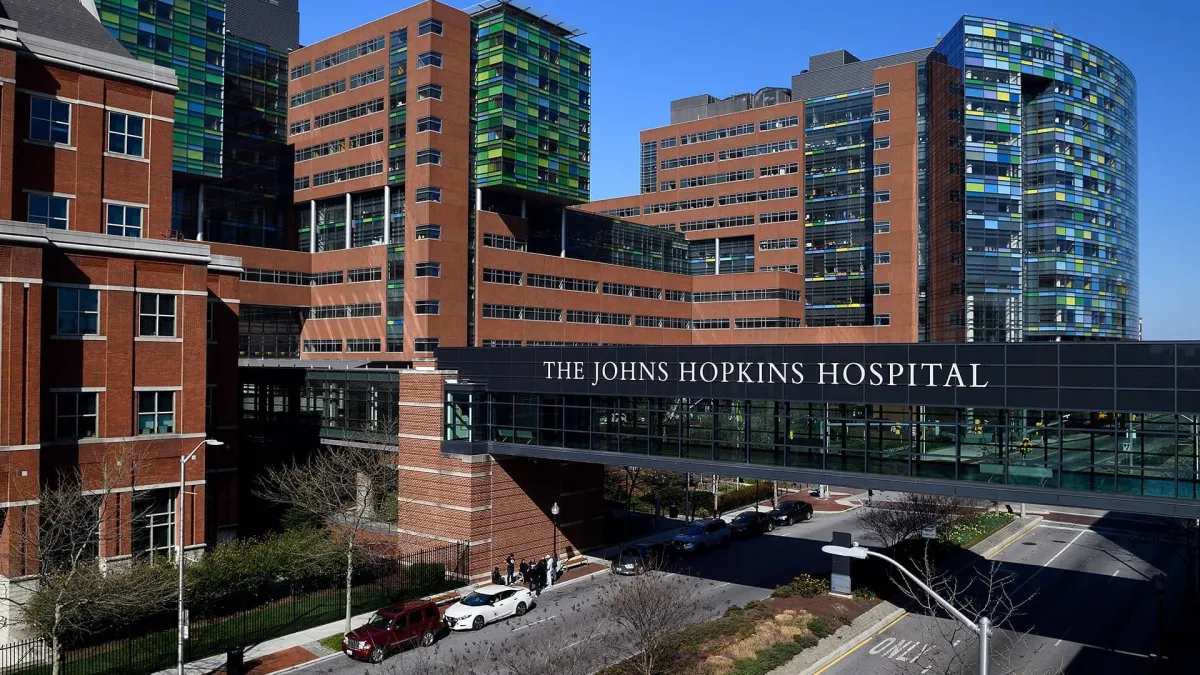 Photo: Johns Hopkins, via abound.college
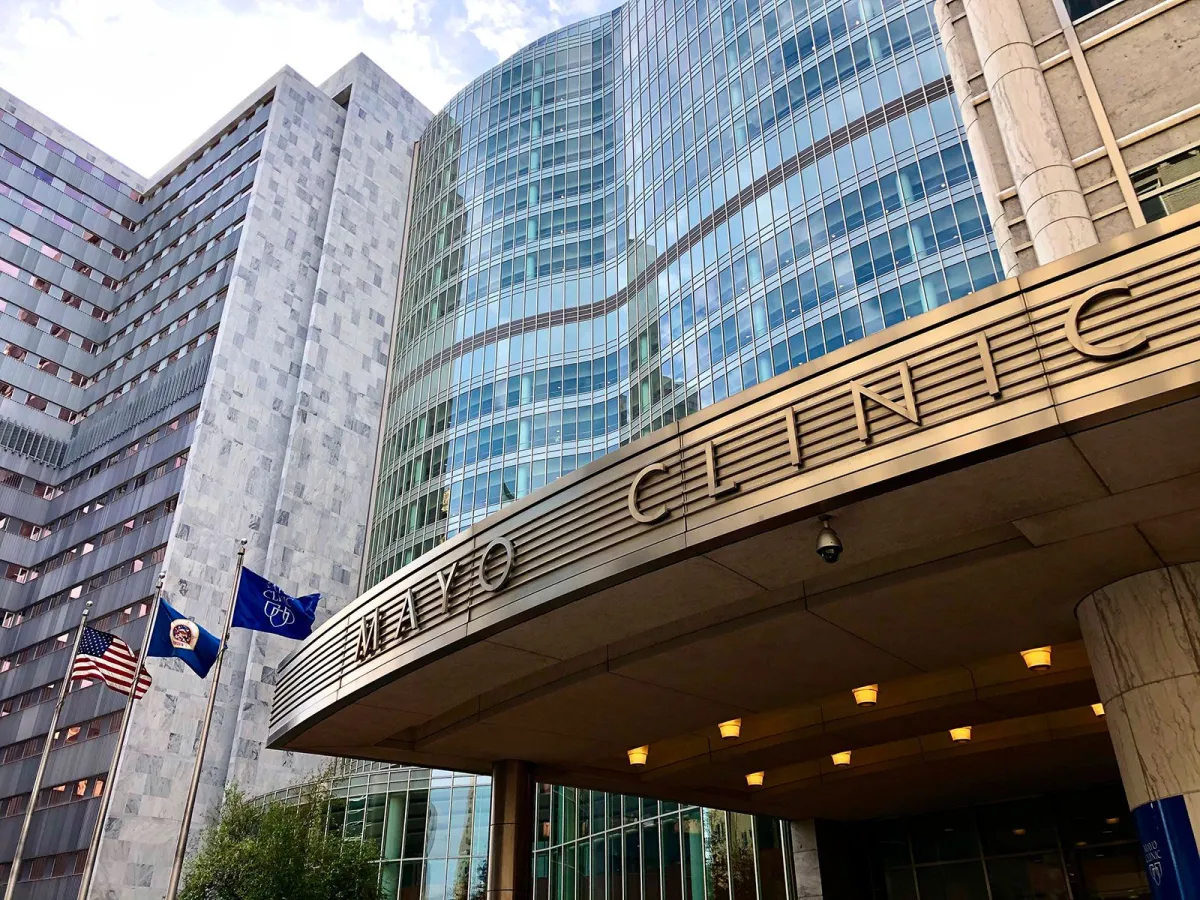 Photo: Mayo Clinic, via cdn.britannica.com
The Digital House Call Revolution
Then came March 2020. COVID-19 didn't just accelerate telemedicine—it shattered decades of regulatory barriers overnight. Suddenly, Medicare covered video consultations. State licensing boards relaxed restrictions on treating patients across state lines. What had been a niche service became mainstream necessity.
The numbers tell the story: telehealth visits jumped from 38 times per 1,000 Medicare beneficiaries in February 2020 to 1,688 times per 1,000 by April. Rural Americans, who had been systematically underserved by traditional healthcare delivery, found themselves with unprecedented access to specialists.
Dr. Jennifer Walsh, a cardiologist at Mass General, now treats patients from her Boston office who live in Alaska, Wyoming, and rural Texas. "I see more geographic diversity in a single afternoon than I used to see in a month," she explains. "Geography has become almost irrelevant for many types of consultations."
The Persistence of Inequality
But the digital revolution hasn't eliminated healthcare inequality—it's simply changed its shape. Today's barriers are technological rather than geographic. Rural broadband access remains spotty, with 21% of rural Americans lacking reliable high-speed internet. The same economic factors that once concentrated specialists in cities now concentrate digital infrastructure in wealthy areas.
Age adds another layer of complexity. While a 35-year-old might seamlessly navigate a video consultation, many elderly patients—who need specialist care most—struggle with the technology. The irony is sharp: the demographic most likely to need a cardiologist is least likely to successfully connect with one via smartphone.
What We've Gained and Lost
Telemedicine has democratized access to expertise in ways that seemed impossible just a decade ago. A patient in rural Nebraska can now consult with a rare disease specialist at the NIH without leaving home. Emergency consultations happen in real-time, with specialists guiding local doctors through complex procedures via video link.
Yet something intangible has been lost in translation. The physical examination—a doctor's hands detecting what cameras cannot see—remains irreplaceable for many conditions. The casual conversation before and after appointments, where patients often reveal crucial information, doesn't translate well to scheduled video calls.
The New Healthcare Geography
We've traded geographic inequality for digital inequality, distance barriers for technological barriers. The question isn't whether telemedicine has improved healthcare access—it clearly has. The question is whether we've simply moved the goalposts rather than eliminated them entirely.
For Sarah Mitchell's daughter, who lives in the same Montana town where her mother once waited months for care, the world has fundamentally changed. When she found her own suspicious lump last year, she was consulting with an oncologist within two hours. The cancer was caught early, treated successfully, and her life barely paused.
Yet for her neighbor, an 78-year-old rancher without reliable internet, the old barriers remain as formidable as ever. Technology has solved the distance problem for some while creating new forms of exclusion for others. The revolution in healthcare access is real, but it's far from complete.