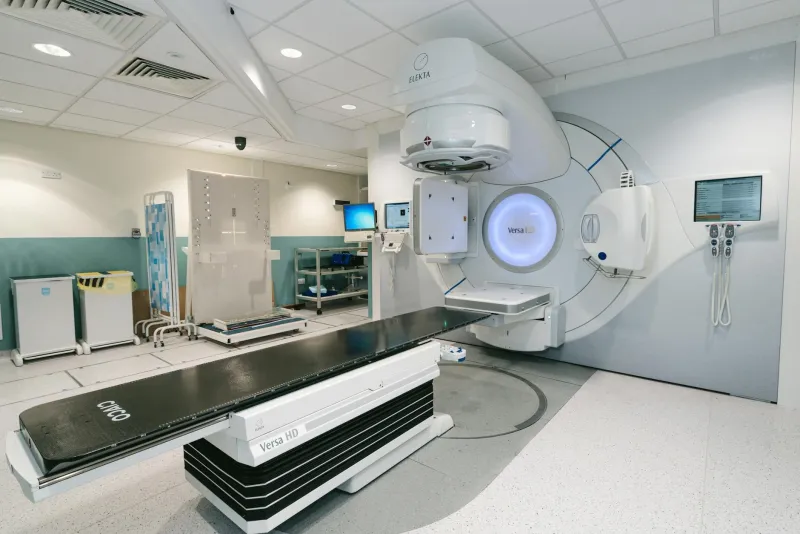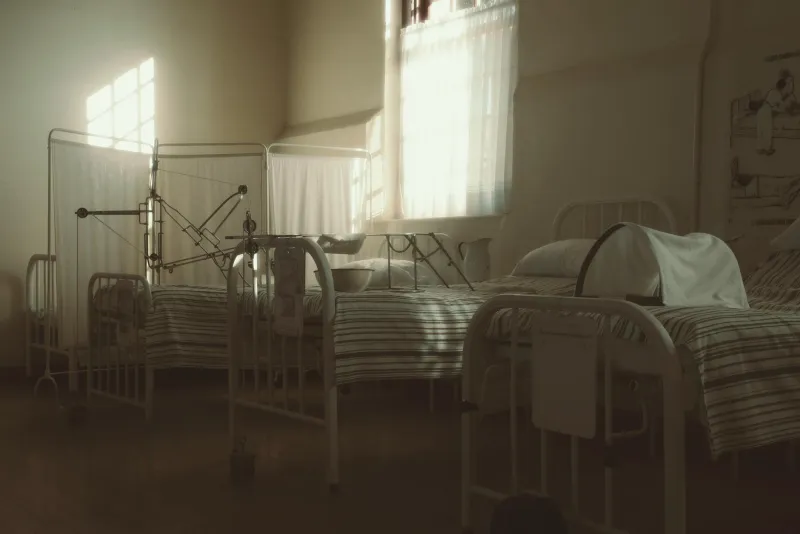
In 1920, President Calvin Coolidge's teenage son developed a blister on his toe during a tennis match at the White House. Within days, the infection had spread throughout his body, and young Calvin Jr. was dead. This wasn't unusual—minor injuries routinely became fatal in pre-antibiotic America. But perhaps nowhere was this reality more terrifying than inside your own mouth.
 Photo: White House, via www.deboyz.com
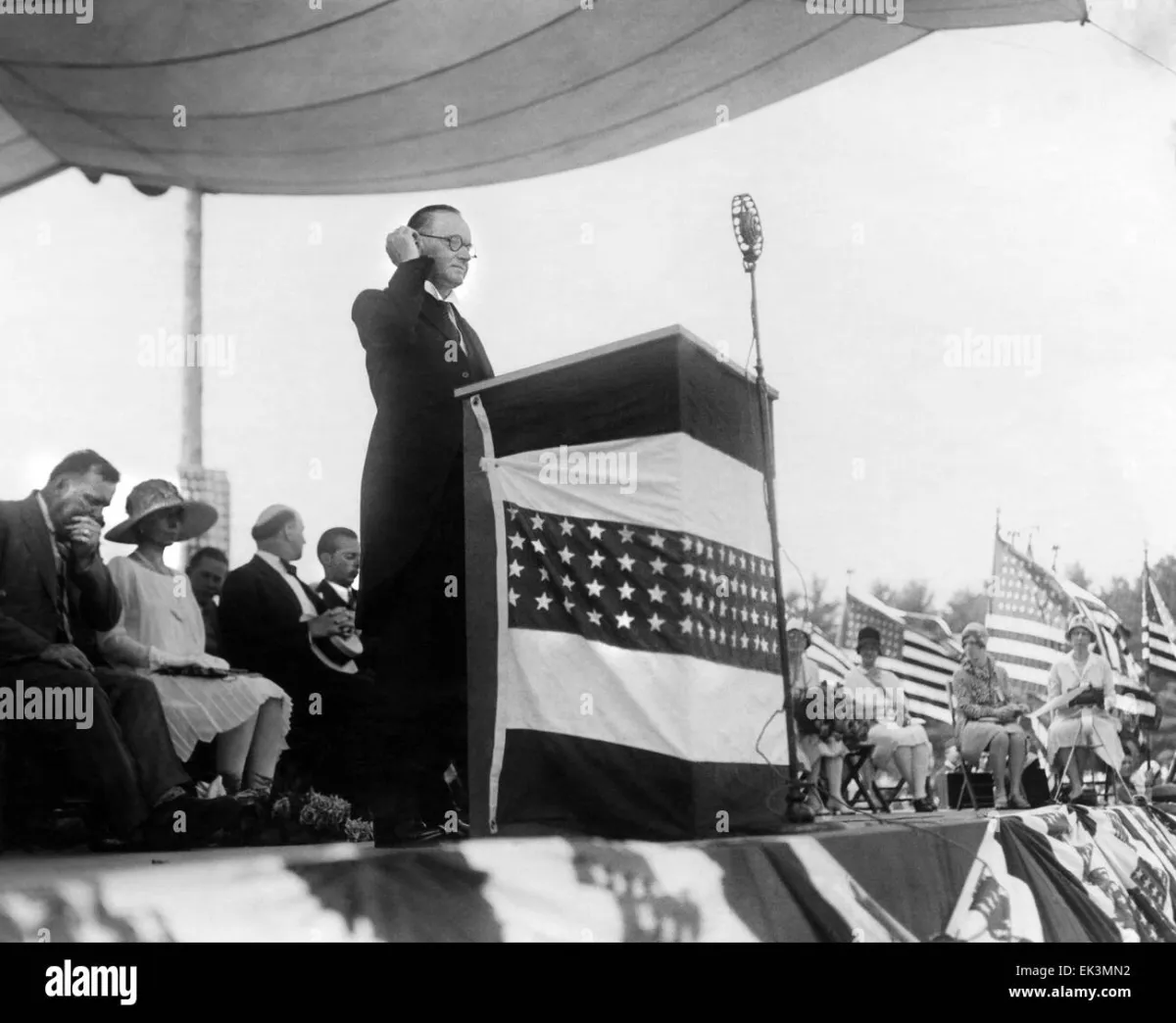 Photo: Calvin Coolidge, via c8.alamy.com
A century ago, dental problems weren't just painful inconveniences. They were genuine threats to your life, your livelihood, and your place in society. The mouth, with its warm, moist environment and direct pathways to the bloodstream and brain, was essentially a ticking time bomb that most Americans carried around for decades.
The Era of Dental Russian Roulette
Consider the mathematics of dental care in 1900: The average American adult had lost more than half their teeth by age 50. Complete tooth loss by age 65 wasn't just common—it was expected. But losing teeth was often the least of your worries.
Dental infections could spread to the brain through blood vessels or along nerve pathways, causing meningitis, brain abscesses, or sepsis. Medical journals from the early 1900s are filled with case studies of patients who died from what began as simple toothaches. One 1908 study found that dental infections were responsible for nearly 40% of all cases of fatal blood poisoning.
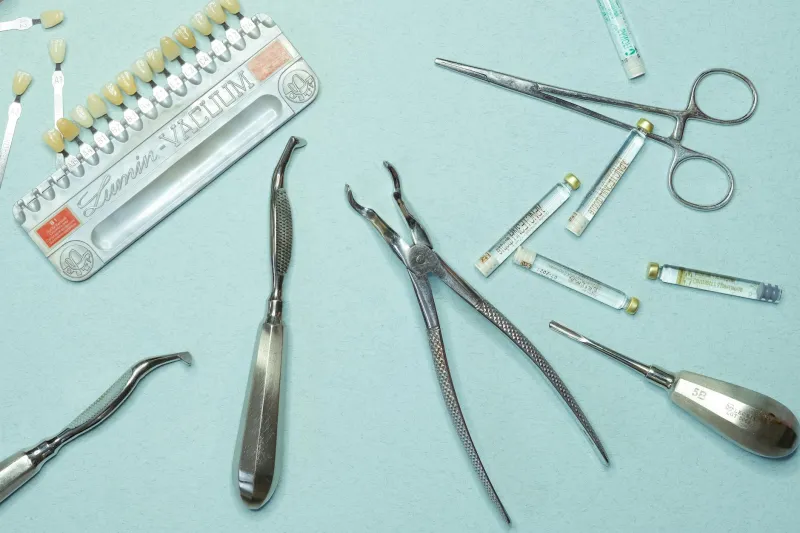
The tools available to address these problems were medieval at best. Dentists—when you could find one—worked with crude forceps, no anesthesia beyond whiskey, and a philosophy that extraction was always preferable to treatment. The wealthy might afford crude gold fillings, but most Americans simply endured pain until the tooth rotted away or became infected enough to require removal.
When Pain Management Meant Biting Down on Leather
The absence of effective anesthesia created a culture of dental stoicism that's almost impossible to imagine today. Patients were expected to remain conscious and still while dentists drilled into infected tissue or extracted deeply rooted molars. Children learned early that dental pain was simply part of life—something to be endured rather than treated.
Even when ether became available in the mid-1800s, many patients and dentists avoided it. Early anesthetics were unpredictable and sometimes fatal. The choice between certain agony and possible death wasn't an easy one, leading many to opt for the devil they knew.
This created a feedback loop of avoidance. People delayed dental care until problems became unbearable, by which point treatment was more dangerous and traumatic, reinforcing the cycle of fear and neglect that defined American dental health for generations.
The Materials Revolution That Changed Everything
The transformation began with materials science. Early dental work relied on lead, tin, and mercury amalgams that were toxic, unstable, and often caused more problems than they solved. The development of safer, more durable materials in the early 20th century made it possible to actually preserve teeth rather than simply managing their inevitable decay.
But the real revolution came with understanding prevention. The discovery that fluoride could prevent tooth decay—first observed when dentists noticed that people in certain areas had stained but remarkably cavity-free teeth—fundamentally changed the equation. By the 1950s, water fluoridation programs were preventing the dental disasters that had plagued previous generations.
The Antibiotic Revolution
Perhaps no single development transformed dental care more than the discovery of penicillin. Suddenly, the infections that had killed Calvin Coolidge Jr. and countless others became manageable with a simple course of pills. Dental abscesses went from potential death sentences to minor inconveniences.
This safety net allowed dentists to become more aggressive in preservation rather than extraction. Root canals, once impossibly dangerous procedures, became routine. Complex reconstructive work became feasible when post-operative infections could be controlled.
From Survival to Cosmetics
Today's dental experience would seem like science fiction to someone from 1920. We've moved so far beyond basic survival that cosmetic concerns—teeth whitening, perfectly straight smiles, minor chips—drive much of modern dental practice. The average American today will keep most of their original teeth for life, something that would have seemed miraculous to previous generations.
Modern anesthesia means dental work is often completely painless. Digital X-rays reveal problems before they become symptomatic. Preventive care has become so effective that many young Americans have never experienced a cavity.
What We've Gained—And Lost
The transformation of American dental care represents one of medicine's greatest success stories. We've eliminated most dental pain, prevented most tooth loss, and turned a feared medical specialty into routine healthcare maintenance.
But something may have been lost in translation. The gravity with which previous generations approached oral health—born from genuine fear of consequences—has given way to a casual attitude that sometimes leads to neglect of different kinds. When dental problems were potentially fatal, people understood their mouths required serious attention.
Today, when a dental emergency means calling for a same-day appointment rather than writing your will, we might take for granted just how far we've traveled from the days when your smile could quite literally be a matter of life and death.
The next time you sit in a dental chair, pain-free and confident in a positive outcome, remember: you're experiencing a miracle that millions of Americans before you could never have imagined.