The Last People Who Knew Your Name: How Chain Stores Erased America's Village
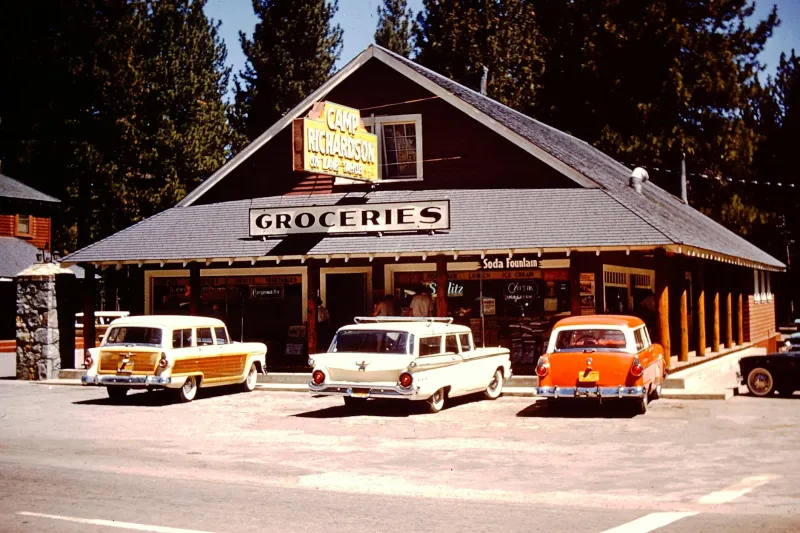
Mrs. Patterson at the corner grocery knew that your mother preferred her apples firm, your father needed his blood pressure medication refilled every third Thursday, and your teenage daughter was probably shoplifting lip gloss. She knew because she'd been watching your family grow up for twenty years, and her mother had done the same for your parents' generation before that.
This wasn't surveillance—it was community. And it's almost entirely gone.
The Ecosystem of Familiar Faces
In mid-century America, running errands meant navigating a network of people who knew you by name, remembered your preferences, and often served as informal counselors, news sources, and safety nets. The local pharmacy wasn't just a place to fill prescriptions—it was where Mr. Kowalski would quietly extend credit when money was tight and discreetly ask about your mother's recovery after her surgery.
Your butcher didn't just cut meat; he knew your family's Sunday dinner traditions, would set aside the good cuts when he saw you coming, and could recommend recipes based on what he knew you'd tried before. The hardware store owner became your unofficial home repair consultant, remembering what you'd bought for previous projects and steering you away from mistakes he'd seen other customers make.
These weren't just commercial transactions—they were relationships that happened to involve money. Each shopkeeper served as a node in an informal information network that kept neighborhoods connected. They knew who was struggling, who was celebrating, and who might need a little extra help.
The Geography of Connection
The physical layout of these communities made these relationships almost inevitable. Before suburban sprawl and shopping centers, most Americans lived within walking distance of their daily needs. The same handful of shopkeepers served the same customers for decades, creating bonds that deepened through repetition and proximity.
Children grew up knowing these adults as extensions of their family network. The pharmacist who had filled their baby prescriptions would later counsel them through teenage acne treatments and eventually help manage their elderly parents' medications. These relationships spanned generations, creating institutional memory that no corporate database could replicate.
The corner store owner knew which kids were likely to cause trouble and which ones just needed someone to believe in them. The local barber served as an informal therapist, listening to problems and offering advice along with haircuts. These roles existed because the community was small enough for one person to matter and stable enough for relationships to develop over time.
The Chain Reaction
The transformation didn't happen overnight. It began with the post-war suburban boom, as Americans moved to new developments where strip malls and shopping centers offered convenience and variety that small local shops couldn't match. Why drive to three different stores when you could get everything at one location with ample parking?
Chain stores brought undeniable benefits: lower prices through volume buying, consistent quality, extended hours, and broader selection. A small-town hardware store might carry 3,000 items; a Home Depot stocks over 35,000. The local grocery might know your preferences, but the supermarket offered choices your corner store couldn't dream of stocking.
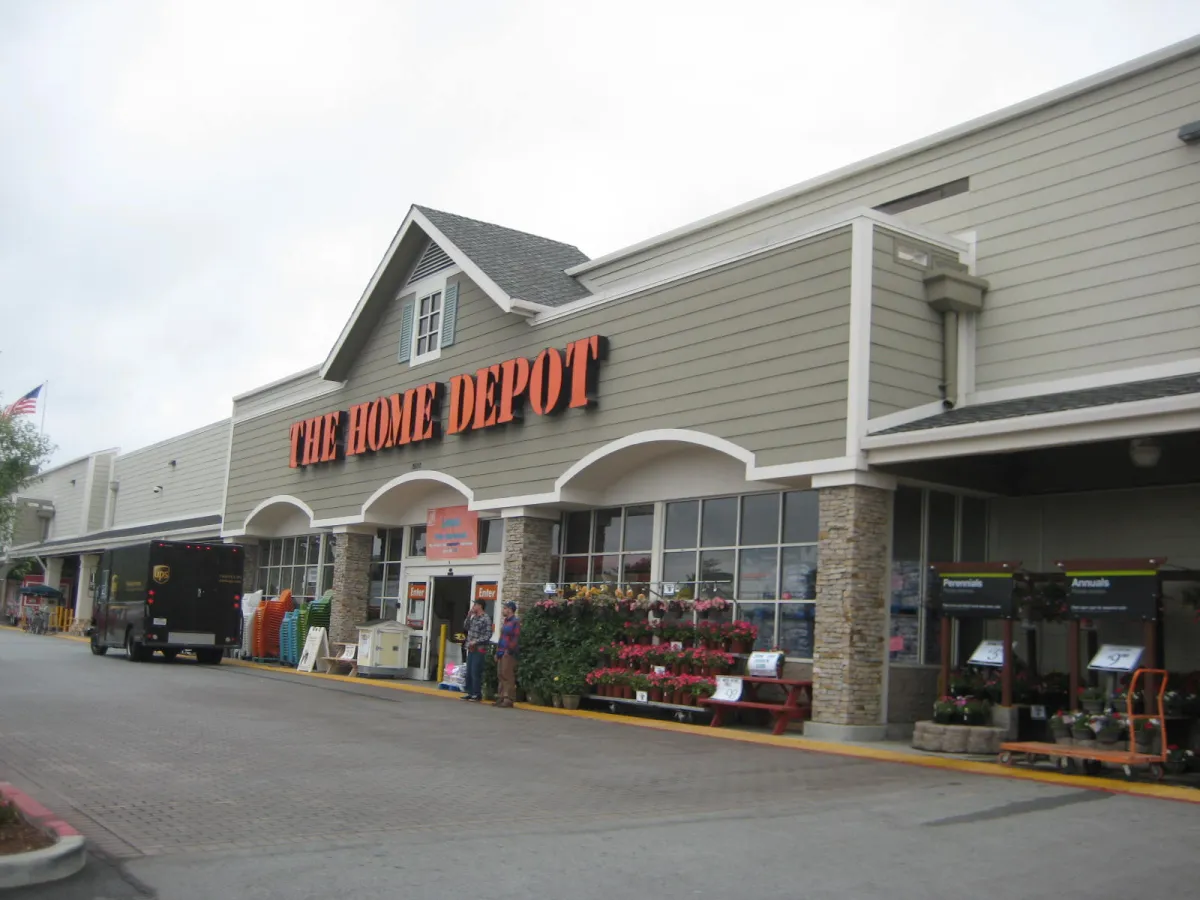 Photo: Home Depot, via photos.wikimapia.org
But each chain store that opened represented dozens of personal relationships that would never form. The teenage cashier working part-time at Walmart couldn't provide the same continuity as the family that had run the local five-and-dime for three generations. Corporate policies replaced personal judgment, and efficiency metrics took precedence over customer relationships.
The Great Acceleration
E-commerce completed what chain stores had started. Why drive anywhere when Amazon could deliver everything to your doorstep? The convenience was undeniable, but it severed the last remaining threads that connected shopping to community.
Today's shopping experience is optimized for speed and selection, not relationship building. Self-checkout lanes eliminate even the brief interaction with a cashier. Online shopping removes human contact entirely. We've gained unprecedented convenience and lost something harder to quantify: the daily reinforcement of community membership that came from being recognized, remembered, and valued by the people who served us.
The Support Network We Didn't Know We Had
Those familiar faces provided more than just commercial services—they formed an informal safety net that caught people before they fell through bigger cracks. The pharmacist who noticed when an elderly customer hadn't picked up their medication in too long. The grocer who quietly extended credit during tough times. The hardware store owner who could tell when someone was struggling with home repairs and would offer to help or recommend a trustworthy neighbor.
This network was particularly crucial for vulnerable populations. Elderly customers who might go days without meaningful human contact could count on brief but genuine interactions during their errands. Single mothers could rely on shopkeepers who knew their children and would keep an eye out for their safety. New residents could ask for local recommendations and receive not just business referrals but insights into community culture.
The Knowledge That Walked Away
Beyond the relationships, we lost institutional knowledge that took generations to accumulate. The hardware store owner knew which local contractors did good work and which ones to avoid. The pharmacist understood how different medications affected different families and could spot dangerous interactions before they happened. The grocer knew seasonal patterns, local preferences, and could predict community needs.
This knowledge didn't transfer to corporate databases or online reviews. It walked out the door when the last generation of independent shopkeepers retired or closed their doors.
What Replaced the Village
Today's substitutes—online reviews, social media connections, neighborhood apps—attempt to recreate some of what we lost, but they lack the depth and continuity of face-to-face relationships built over time. A five-star Yelp review can't replace the hardware store owner who remembers what you bought last month and can build on that knowledge to help you with today's project.
Social media promises connection but often delivers isolation. We can have thousands of online "friends" while knowing none of our neighbors' names. We can access infinite information about products while losing access to the kind of personal, contextual advice that could only come from someone who knew us well.
The Efficiency We Can't Measure
Modern retail is obsessed with metrics: transaction speed, inventory turns, customer satisfaction scores. But there's no metric for the efficiency of a shopkeeper who knew exactly what you needed before you finished describing your problem, or the value of advice that prevented you from making an expensive mistake.
We've optimized for the efficiency of individual transactions while losing the efficiency of relationships that made future transactions smoother, more satisfying, and more likely to meet our actual needs rather than just our stated wants.
In gaining convenience, we lost something that can't be delivered overnight: the irreplaceable comfort of being known, remembered, and valued by the people who make our daily lives possible. The village that raised us has been replaced by algorithms that track us, and we're still learning what that trade-off really cost.