When America Ate Together: How the Communal Meal Became a Solo Act
The Counter Culture That Fed a Nation
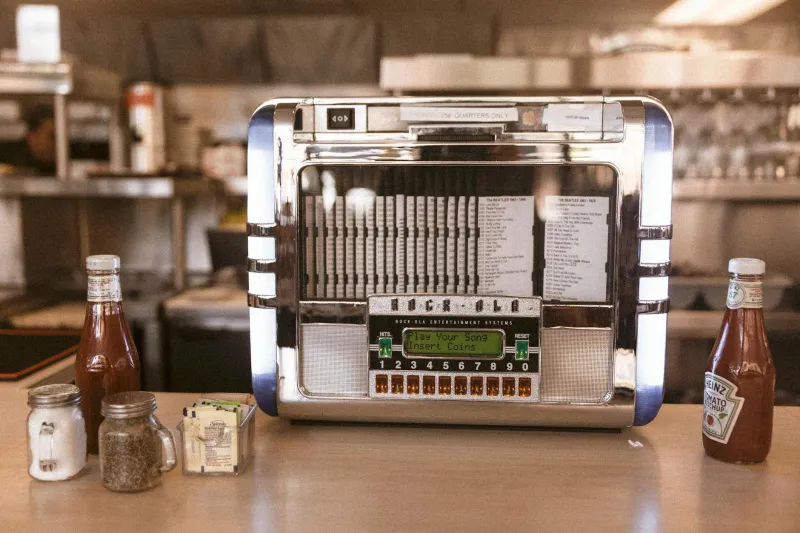
Walk into any American diner in 1955, and you'd witness something that feels almost foreign today: strangers sitting elbow-to-elbow at a lunch counter, sharing conversations over coffee and pie. The short-order cook knew your name, the waitress remembered how you liked your eggs, and the businessman next to you might strike up a conversation about the weather or the World Series.
This wasn't just dining—it was a daily ritual that wove communities together, one meal at a time.
Back then, eating was inherently social. The company cafeteria buzzed with cross-departmental chatter during the lunch hour. Families gathered around dinner tables at 6 PM sharp, sharing not just food but the day's events. Even grabbing a quick bite meant sitting at a counter where conversation was as much a part of the meal as the sandwich itself.
Today, that communal dining experience has largely vanished, replaced by a landscape of solo eating that would have seemed dystopian to previous generations.
The Great Fragmentation
The shift didn't happen overnight. It began in the 1960s and 70s as American life started accelerating. The rise of suburban living meant longer commutes, pulling families away from centralized dining spots. Women entering the workforce in unprecedented numbers changed household dynamics, making the traditional family dinner more challenging to coordinate.
Fast food chains capitalized on this new reality, designing systems around speed and portability rather than lingering conversation. McDonald's revolutionary assembly-line approach to food service prioritized efficiency over atmosphere. The message was clear: eat quickly and move on.
By the 1980s, the microwave had transformed home dining. Suddenly, family members could eat different meals at different times, heating up individual portions whenever convenient. The shared preparation and consumption that had defined family meals for generations gave way to grab-and-go individualism.
The Digital Dining Revolution
The final blow to communal eating came with the digital age. Smartphones turned every meal into a potential distraction. Why make small talk with a stranger at the lunch counter when you could scroll through social media instead?
Desk dining became normalized in corporate America. The "working lunch" evolved from an occasional business meeting into a daily solo ritual of eating salads over keyboards while answering emails. The lunch hour—once a sacred break in the workday—compressed into whatever time it took to consume fuel for the afternoon.
Delivery apps completed the transformation. DoorDash, Uber Eats, and Grubhub made it possible to eat restaurant-quality food without ever encountering another human being. The pandemic accelerated this trend, but the infrastructure for isolated dining had been building for decades.
What the Numbers Tell Us
The statistics paint a stark picture of how dramatically American eating habits have changed. In 1965, the average American family ate dinner together five nights a week. Today, that number has dropped to fewer than three nights. Nearly 60% of meals are now consumed alone, compared to just 20% in the 1950s.
Restaurant design reflects this shift. Modern fast-casual chains prioritize counter seating and quick turnover rather than the booth conversations that defined mid-century dining. Even upscale restaurants have adapted, with many offering counter seating that accommodates solo diners checking their phones between courses.
The lunch counter itself has become nearly extinct. Those long, communal surfaces where strangers became neighbors over coffee have been replaced by individual tables and grab-and-go displays that minimize human interaction.
The Hidden Costs of Convenience
This transformation brought undeniable benefits. Modern dining options offer unprecedented variety, convenience, and accommodation for different schedules and dietary needs. A busy parent can feed their family without spending hours in the kitchen. A remote worker can enjoy restaurant-quality food without leaving their home office.
But something essential was lost in translation. The lunch counter wasn't just about food—it was about the random encounters that built social capital. The family dinner table wasn't just about nutrition—it was about the daily check-ins that kept relationships strong.
Research suggests that people who eat alone regularly report higher levels of loneliness and social isolation. Children who grow up without regular family meals show different social development patterns than those who gather around the dinner table nightly.
The Pendulum Begins to Swing
Interestingly, some Americans are beginning to recognize what was lost. Community dining initiatives are popping up in cities across the country, from communal tables in co-working spaces to neighborhood potluck dinners. Some restaurants are experimenting with "community seating" that recreates the lunch counter experience for a new generation.
Food halls—modern versions of the old-school cafeteria—encourage lingering and socializing in ways that traditional fast food never did. Even in our hyper-connected, ultra-convenient world, there's a growing recognition that some human experiences can't be optimized away.
More Than Just a Meal
The transformation of American dining culture reflects broader changes in how we prioritize efficiency over connection, convenience over community. The lunch counter gave way to the food court, which gave way to the delivery app—each iteration faster and more isolated than the last.
Whether this represents progress or loss depends on what we value most. But for a generation that never experienced the daily ritual of shared meals with strangers and neighbors, it's worth considering what we gained in convenience—and what we quietly left behind at the counter.