The Pharmacist Who Knew Your Name, Your Kids, and Your Blood Pressure
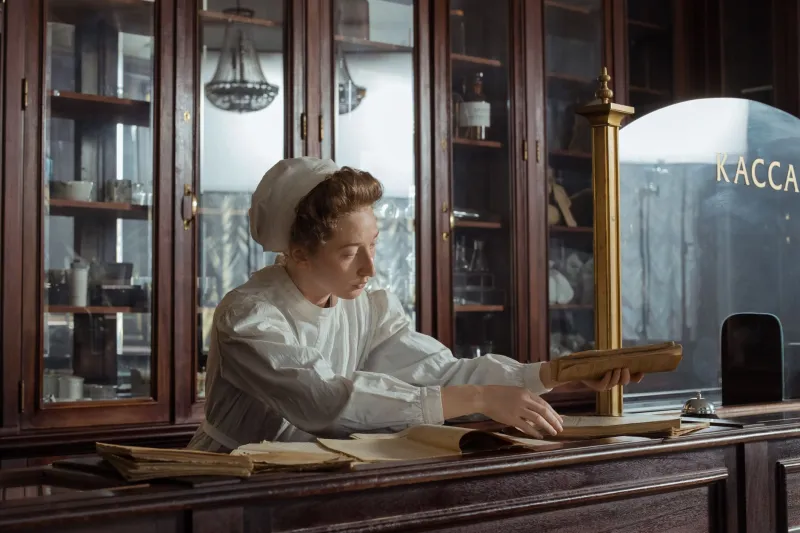
Somewhere between the soda fountain and the back counter, the American neighborhood pharmacist used to occupy a very particular role in people's lives. Not quite a doctor. Not just a pill-counter. Something in between — a trusted, accessible figure who happened to know exactly what medications your grandmother was on, what your father was allergic to, and whether the new prescription your teenager just brought in was going to cause a problem with the one she'd been taking for two years.
That relationship didn't happen by accident. It was built over decades, one conversation at a time.
The Corner Store That Doubled as a Clinic
For most of the 20th century, the neighborhood pharmacy was a fixture of American community life in a way that's genuinely hard to explain to anyone who grew up after the chains took over. These were small operations — family-owned, locally rooted, often passed down through generations. The pharmacist behind the counter wasn't a stranger cycling through a shift. They were someone you'd known for years, maybe your whole life.
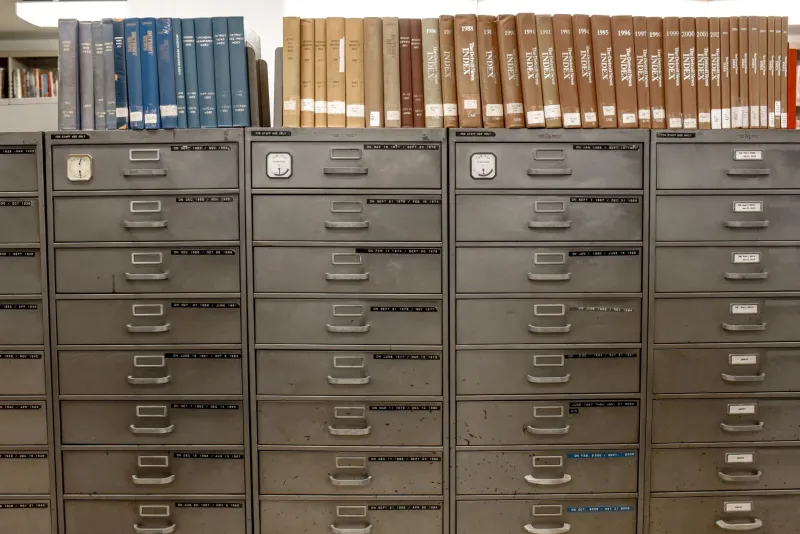
They kept paper records, often hand-written, of every prescription they'd filled for every family in the area. Before electronic health systems, before databases, before anything resembling modern software, these records were the pharmacist's memory made physical. If your doctor prescribed something new, the pharmacist already knew what else you were taking. They'd look at the combination, think about it for a second, and either fill it or pick up the phone.
That last part matters more than it sounds. The phone call from your pharmacist to your doctor wasn't a bureaucratic escalation — it was two people who both knew you, working something out on your behalf.
The Counseling No One Billed For
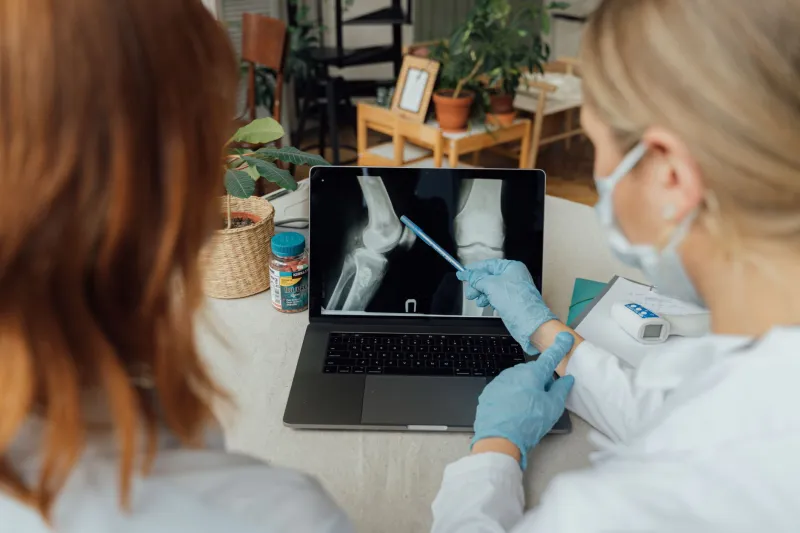
One of the quiet realities of that era was how much free medical guidance flowed across those counters. People asked their pharmacist questions they were too embarrassed to bring to their doctor, or too rushed, or couldn't afford to turn into an appointment. What does this side effect mean? Is it safe to take this with alcohol? My kid has a rash — is there something over the counter that could help?
Pharmacists answered. Not because they were required to, but because that's what you did when you knew someone. The transaction was almost secondary to the relationship.
This kind of informal, face-to-face health guidance represented a genuinely valuable layer of the American healthcare system — one that largely existed off the books, uncounted in any study, but enormously consequential for the families who relied on it.
What Efficiency Replaced
The shift away from this model didn't happen all at once. Chain pharmacies had been growing since the mid-20th century, but the real acceleration came in the 1990s and 2000s, as pharmacy benefit managers reshaped the industry around volume and cost. Suddenly, the economics that had sustained the neighborhood pharmacist for generations stopped working. Small operations couldn't compete on price. One by one, they closed.
What replaced them was faster, cheaper, and in many ways more sophisticated. Modern pharmacy chains use powerful interaction-checking software that catches drug combinations no human could reliably track across thousands of patients. Mail-order services deliver a 90-day supply to your door without you ever leaving the house. Automated systems send refill reminders. Apps let you manage prescriptions from your phone.
These are real improvements. The error-catching alone has probably saved lives that the old system would have missed.
But something else left with those small pharmacies, and it's harder to quantify.
The Human Layer That Disappeared
What the modern system doesn't do particularly well is know you. The pharmacist at a high-volume chain counter is working through a queue. They're efficient, they're trained, and they're often genuinely trying to help — but they almost certainly have no idea who you are beyond the name on the prescription. They're not going to notice that you seem more tired than usual, or ask how your blood pressure has been running, or remember that your mother had a bad reaction to a medication in the same class as the one you're picking up today.
The algorithm catches the obvious interactions. The human being used to catch the subtle ones — the ones that live in context, in history, in the kind of knowledge that only comes from years of paying attention.
There's also the matter of access. For many Americans, particularly those without strong relationships with primary care physicians, the neighborhood pharmacist was effectively their most consistent healthcare contact. That's a function that didn't get transferred to the chain. It just disappeared.
A Few Holdouts, and What They Reveal
Independent pharmacies still exist in the United States — about 19,000 of them, down significantly from their peak but not gone. The ones that have survived tend to do so precisely by leaning into what chains can't replicate: personalized service, compounding, relationships with specific patient populations, and the kind of institutional memory that software hasn't fully replaced.
Talk to people who still use an independent pharmacy and you hear a consistent theme. They know their pharmacist. They trust them. They feel like someone is actually paying attention to their health in a way that a drive-through window at a big-box store doesn't quite replicate.
That's not nostalgia talking. That's a real and measurable difference in the experience of receiving healthcare.
Progress Has a Price Tag
The modernization of American pharmacy was, on balance, probably necessary. The scale of the current system, the cost controls, the technological safeguards — these things matter, and they've delivered genuine benefits to millions of people.
But it's worth sitting with what was traded away. The neighborhood pharmacist represented something that efficiency-focused systems tend to undervalue: continuity. The slow accumulation of knowledge about a specific person, over time, by someone who actually cared about the outcome.
We got faster. We got cheaper. We got smarter software.
We lost the person who knew your name, remembered your history, and picked up the phone when something didn't look right. That's not nothing. In fact, for a lot of Americans, it was quite a lot.