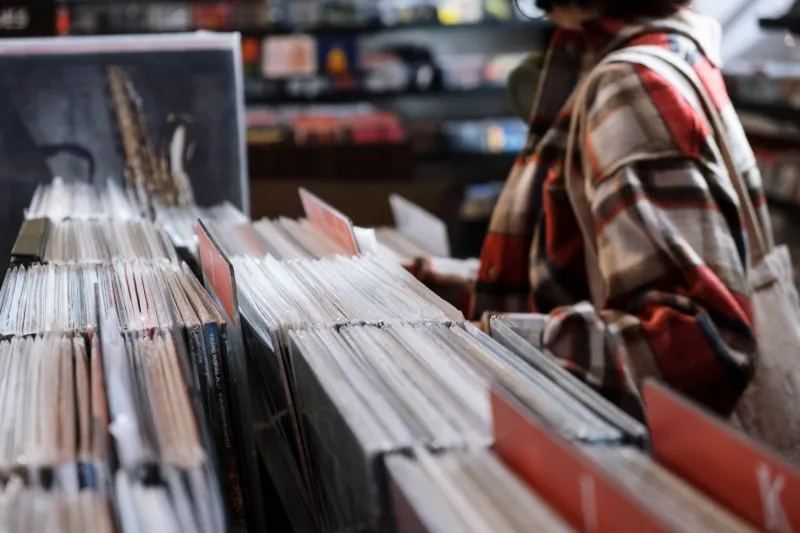
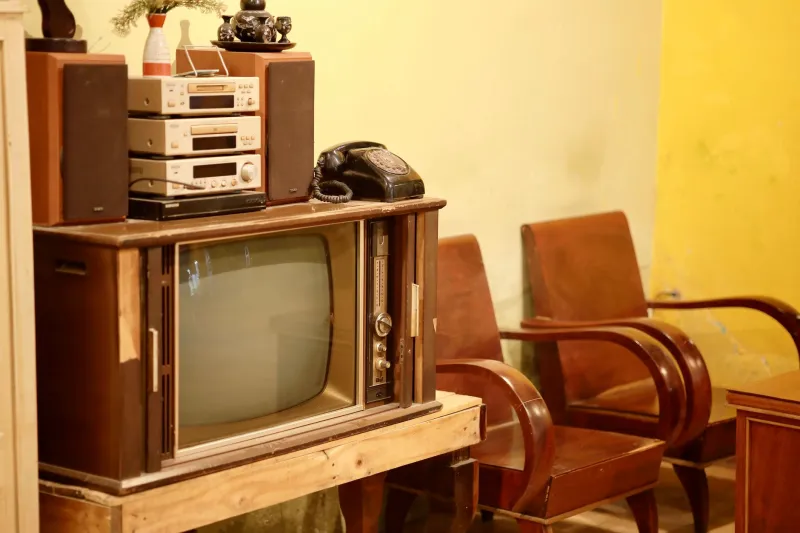
The Slow Burn We Traded Away: What Waiting Used to Do for Us
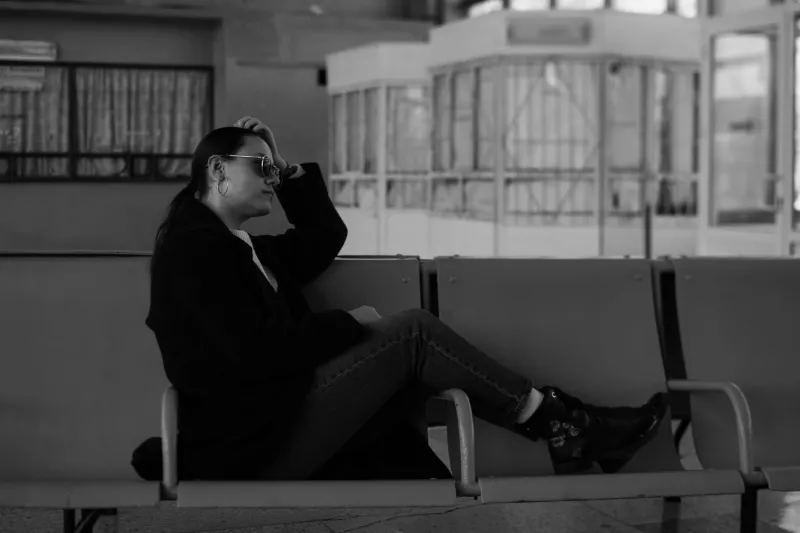
Somewhere around 2007, America stopped being patient — and never really noticed.
It didn't happen all at once. It was gradual, the way a river reshapes a valley. First, search results got faster. Then shipping went from weeks to days. Then same-day delivery arrived, and two-hour windows followed. Somewhere in all that acceleration, the experience of waiting — genuine, stomach-churning, hope-filled waiting — became something we no longer had to practice. And like any skill you stop using, it started to fade.
This isn't a complaint. Speed is a genuine gift. But it's worth pausing — irony intended — to ask what we actually gave up.
The Line Was the Event
Anyone who camped outside a Ticketmaster outlet in the 1980s or 1990s will tell you the same thing: the line was part of the concert. You showed up the night before, or before dawn on a Saturday, with a sleeping bag and a thermos of bad coffee. You met strangers who loved the same band. You traded bootleg tapes and argued about setlists. By the time you walked away with those tickets — flimsy cardboard rectangles that you'd guard with your life — you'd already invested something in the experience. The show hadn't even happened yet, and it already mattered.
Today, you buy tickets on your phone in under sixty seconds, usually while doing something else entirely. The transaction is cleaner, cheaper in time, and infinitely more convenient. But there's no story attached to it. Nothing was earned. The ticket arrives in your email, and it sits there, indistinguishable from a receipt for paper towels.
The waiting created the meaning. That's the part we tend to forget.
The Test Results Were in the Mail
Not so long ago, medical results arrived by post. You went to the doctor, gave your blood or your sample or your X-ray, and then you went home and you waited. Days, sometimes a week. You sat with the uncertainty. You made peace with not knowing. And in doing so, you developed a relationship with your own anxiety — one that required management, distraction, conversation, perspective.
Now, results appear in a patient portal, often before your doctor has even reviewed them. That's medically valuable, no question. Faster diagnoses save lives. But there's a psychological cost to the new arrangement that doesn't show up in any clinical study: we've lost our tolerance for ambiguity. We've been trained by technology to expect resolution immediately, and when it doesn't come — when a diagnosis genuinely takes time, or a treatment takes months — we struggle in ways our parents and grandparents simply didn't.
They had practice. We've let that muscle atrophy.
Boredom Was the Original Algorithm
There's a particular kind of thinking that only happens when you have nothing else to do. Psychologists call it mind-wandering. Most of us call it boredom. And for most of American history, waiting rooms, bus stops, slow checkout lines, and Sunday afternoons were full of it.
You'd sit. Your mind would drift. Connections would form between unrelated ideas. A problem you'd been wrestling with would suddenly resolve itself. You'd remember something important that had been buried under the noise of the week. Boredom, it turns out, is cognitively productive in ways that constant stimulation simply isn't.
Now, every moment of potential boredom is immediately colonized by a screen. The waiting room has Wi-Fi. The checkout line has a phone. The Sunday afternoon has a streaming queue. We have eliminated the uncomfortable silence — and in doing so, we've eliminated the space where a certain kind of thinking used to live.
Anticipation Was Its Own Reward
Ask anyone who grew up before on-demand everything about the experience of waiting for a TV show to air, or waiting for a book sequel to come out, or waiting for a letter to arrive from someone they loved. What you'll hear, almost universally, is that the waiting made the thing better.
There's actual neuroscience behind this. Dopamine — the brain's reward chemical — spikes not just when you receive something pleasurable, but when you anticipate it. The wanting is its own form of enjoyment. When you compress or eliminate the gap between wanting and having, you don't just change the timing. You change the experience of desire itself.
We've built an economy around closing that gap as fast as possible. And we've done it brilliantly. But we've also quietly trained ourselves to feel less satisfied when we finally get what we wanted — because we didn't have to want it for very long.
The Index Has Moved
At Beyond The Index, we spend a lot of time looking at what the numbers don't capture. Efficiency is measurable. Satisfaction is harder to quantify. Speed shows up in productivity reports. The texture of anticipation doesn't.
America got faster, and in most ways, that's been a remarkable achievement. Faster test results. Faster communication. Faster access to information, entertainment, and connection. These are not small things.
But the human capacity for patience — for sitting inside the not-yet-knowing, for finding meaning in the build-up — was never just a workaround for a world that moved slowly. It was a feature. A way of experiencing time that gave weight to outcomes and depth to desire.
We didn't lose it all at once. We traded it away incrementally, one convenience at a time, each trade entirely reasonable on its own terms.
The question worth asking now isn't whether we can go back. We can't, and most of us wouldn't want to. The question is whether we can consciously reclaim a little of the slow burn — not because the world demands it, but because something in us still needs it.