When the Whole Country Watched the Same Thing at the Same Time
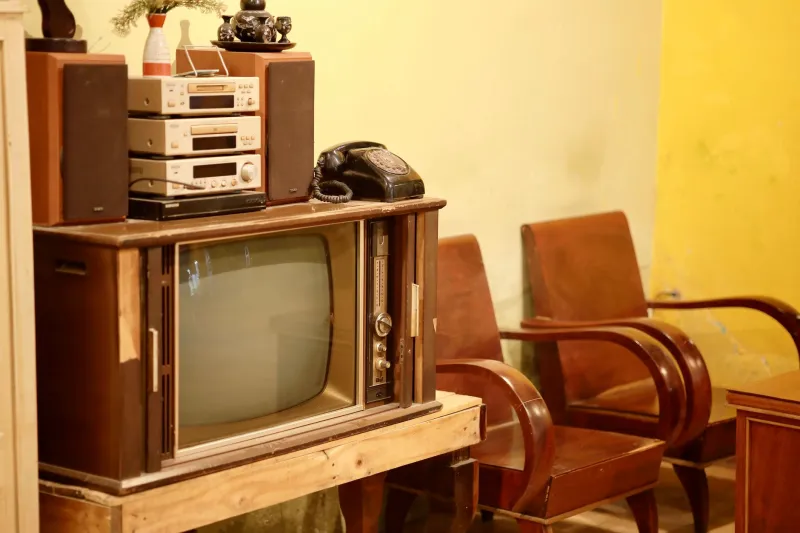
On the evening of January 28, 1983, 106 million Americans sat down in front of their televisions to watch the final episode of M*A*S*H. Not clips of it. Not a recap the next morning. Not a streaming replay three weeks later when they finally got around to it. The actual broadcast, live, as it happened, all at the same time.
It remains the most-watched television episode in American history — and it represents something that has become almost impossible to recreate: a single piece of content, experienced by a majority of the country, simultaneously, in real time.
That kind of cultural synchronization is not just rare now. It's structurally nearly impossible.
The Age of the Shared Signal
For most of the 20th century, the American media landscape was defined by scarcity. Three major broadcast networks. A handful of radio stations. One or two local newspapers. In that environment, if you wanted to watch television on a Tuesday night, you watched what was on. Everyone else was watching the same thing, because there wasn't much of anything else.
This wasn't experienced as a limitation at the time — it was simply the texture of daily life. You watched the moon landing because every channel was showing the moon landing. You watched the Super Bowl because that's what was on. You watched the Roots miniseries in January 1977 because your neighbors were watching it, your coworkers were watching it, and you'd have nothing to talk about at the water cooler the next morning if you didn't.
The shared screen created shared reference points. Entire conversations — at work, at school, at the dinner table — were structured around what had aired the night before. These weren't just entertainment discussions. They were a form of social glue, a common language that cut across geography, class, and background.
The Moments That Froze the Country
Certain broadcasts didn't just attract large audiences — they genuinely suspended normal life. The night Neil Armstrong stepped onto the lunar surface in July 1969, an estimated 600 million people worldwide watched, with the vast majority of Americans tuned to one of three networks showing the same grainy footage. There was nowhere else to look.
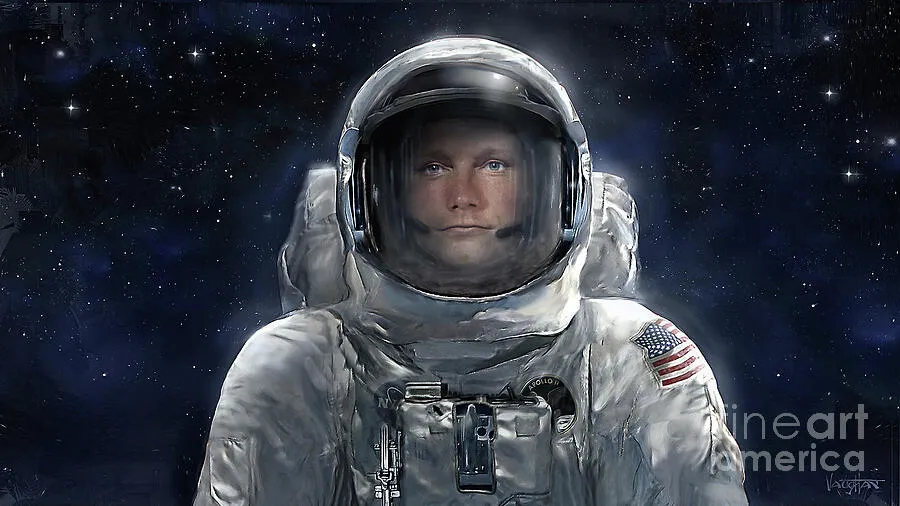 Photo: Neil Armstrong, via images.fineartamerica.com
The same kind of collective attention gathered around the Kennedy funeral, the Challenger disaster, the O.J. Simpson verdict, and any number of heavyweight championship fights that drew the country to its living rooms in the pre-cable era. These weren't just popular events. They were synchronizing events — moments where the fact that everyone was watching together was itself part of the experience.
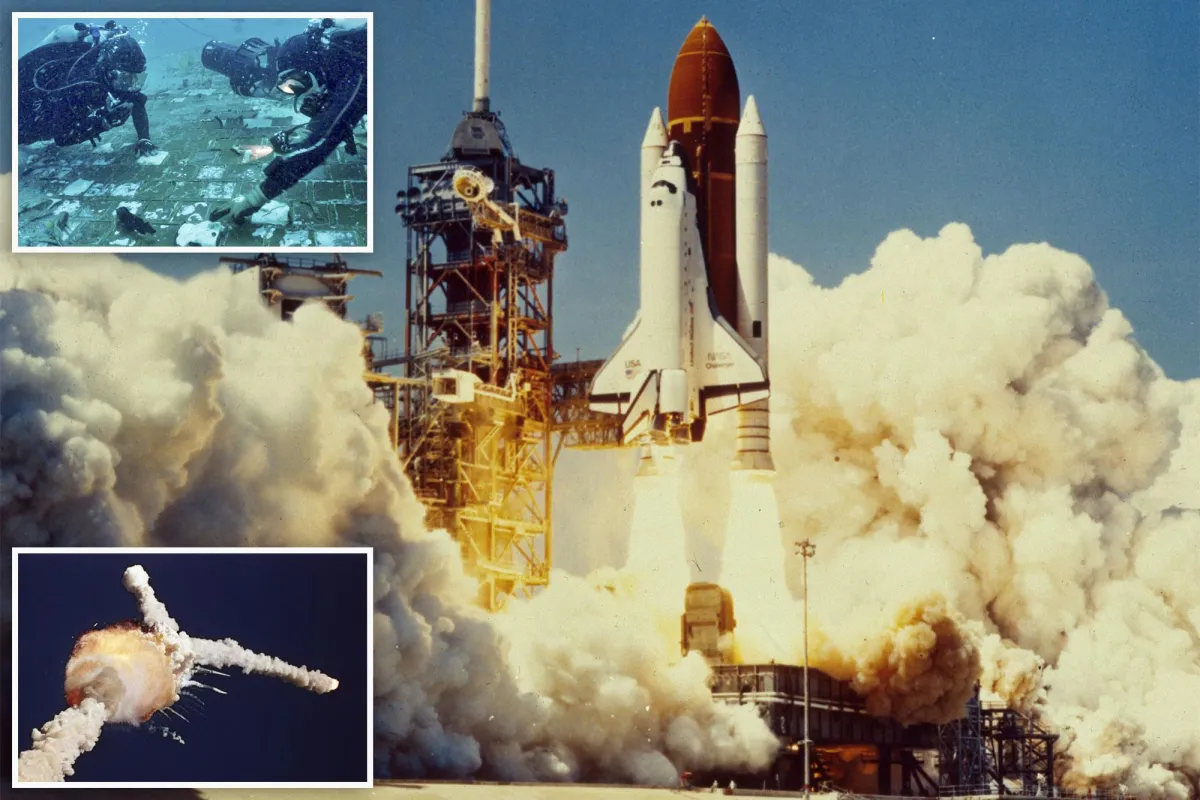 Photo: Challenger disaster, via nypost.com
You knew, sitting in your living room in Ohio or Texas or Maine, that the person next door was seeing the exact same image at the exact same second. That shared witnessing created something — a sense of national presence, of being part of something larger than your own household. It's a feeling that's genuinely difficult to manufacture in the current media environment.
How the Signal Fragmented
The first crack appeared with cable television in the late 1970s and 1980s. Suddenly there were dozens of channels. Then hundreds. The audience didn't disappear — it dispersed. The same number of people were watching television, but they were spread across an ever-expanding menu of options, and the peak audiences for any single broadcast began to shrink.
The VCR introduced something even more disruptive than more channels: the ability to watch on your own schedule. Time-shifting, as it was called, was the first real assault on the synchronized viewing experience. You could tape Dallas and watch it Saturday morning if you felt like it. The broadcast was still live, but your relationship to it no longer had to be.
Streaming finished the job. When Netflix began releasing entire seasons of original programming at once in 2013, it wasn't just changing how people watched — it was eliminating the very concept of a shared broadcast moment. There was no premiere night. There was no finale that everyone experienced together. There was just content, available whenever, watched by whoever, in whatever order they chose.
The Freedom Is Real. So Is the Loss.
It would be dishonest to pretend the old model was entirely better. The tyranny of the broadcast schedule was genuinely limiting. Missing an episode meant missing it, full stop — no DVR, no streaming catch-up, no YouTube clip. Scheduling your social life around network television wasn't freedom; it was surrender.
The modern viewer has something genuinely valuable: complete autonomy over what they watch, when they watch it, and at what pace. The ability to pause, rewind, skip ahead, and access virtually the entire history of recorded entertainment from a device in your pocket is, by any reasonable measure, an extraordinary improvement in the personal experience of consuming culture.
But the personal gain came with a collective cost that we're still working out how to measure.
When everyone watches something different, there's no shared cultural moment. There's no water cooler conversation that everyone can participate in, because half the office is on Season 3 of one show, a quarter is on a completely different platform, and the rest haven't started yet and are worried about spoilers. The common reference dissolves. The shared language gets thinner.
What We're Left With
The events that still manage to synchronize large audiences — the Super Bowl, major awards shows, certain breaking news moments — are notable precisely because they're exceptions. They stand out because the baseline has shifted so dramatically. A broadcast that pulls 30 million simultaneous viewers today is considered a massive cultural event. In 1983, 106 million people watched a TV show say goodbye to its characters, together, in the same hour.
Social media has tried to recreate the feeling of shared experience around fragmented content — the live-tweet, the real-time reaction, the trending hashtag. And it partially works. There's something that resembles communal viewing in the way people react to the same show across Twitter or TikTok. But it's not quite the same thing. It's a simulation of simultaneity rather than the real article.
The difference is subtle but meaningful. Watching something at the same time as millions of other people, in real time, with no ability to pause or skip or come back later — that created a specific kind of cultural weight. The moment mattered more because it was unrepeatable. You were either there or you weren't.
We traded that weight for convenience. It was probably the right trade. But it was still a trade, and the thing we gave up was real.
Somewhere between the last episode of M*A*S*H and your current streaming queue, America stopped watching together. We're still figuring out what to do with all the silence.