The Tool Belt Prophet: When Every Block Had Someone Who Could Resurrect Your Broken Appliances
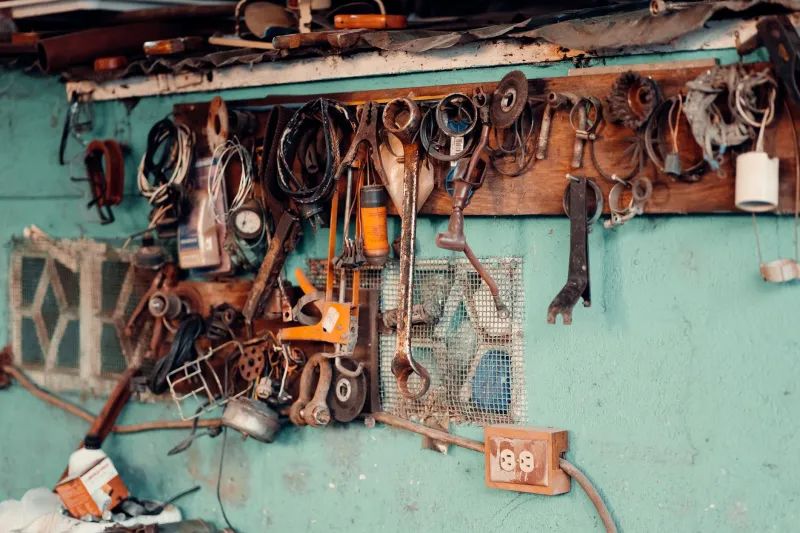
Walk through any American suburb today, and you'll notice something missing that once defined neighborhood life: the guy who could fix anything. Not a corporate technician dispatched from a call center, but your neighbor — the one who lived three houses down, whose garage was a museum of salvaged parts, and who could diagnose your washing machine's death rattle from the driveway.
The Era of the Neighborhood Sage
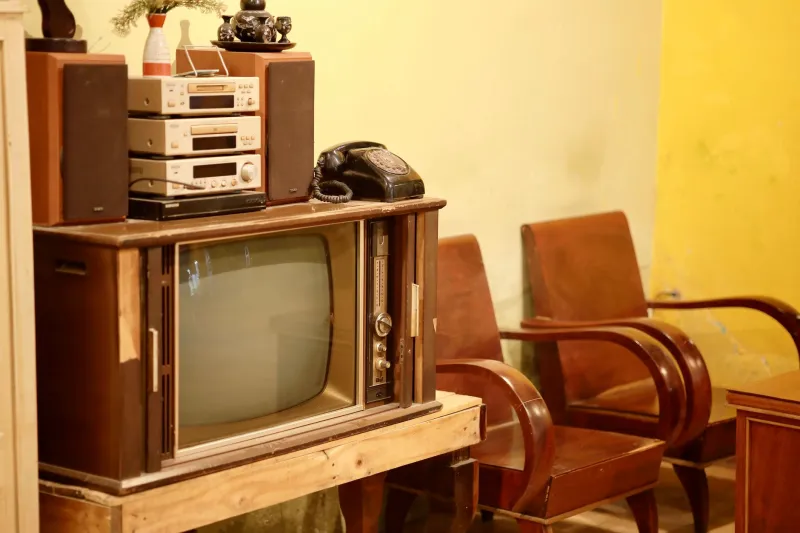
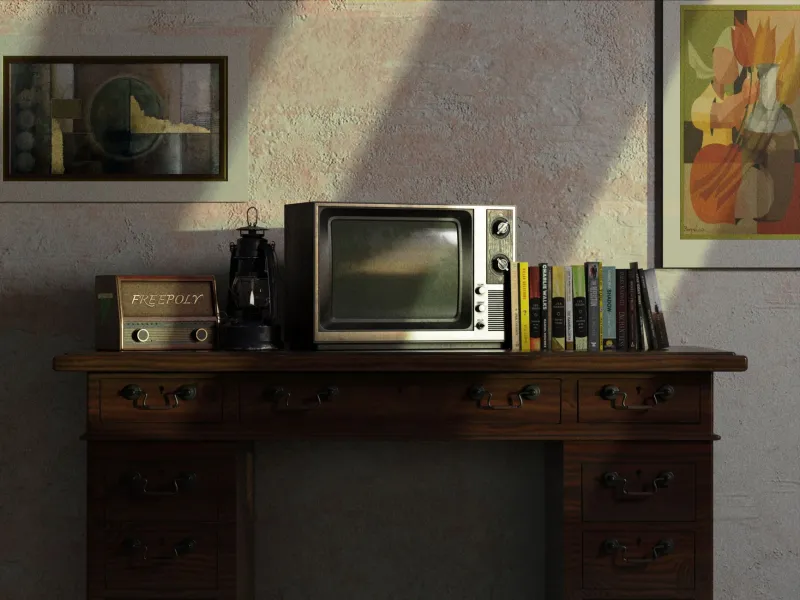
In the 1950s and 60s, American communities operated on an invisible network of practical knowledge. Every few blocks, you'd find someone whose reputation preceded them: Eddie who could resurrect any television, Mrs. Patterson who made sewing machines purr like new, or Tom whose understanding of plumbing bordered on mystical.
 Photo: Mrs. Patterson, via spaces-cdn.clipsafari.com
 Photo: Eddie, via uploads-ssl.webflow.com
These weren't just service providers — they were community anchors. They knew which furnace models were reliable, which appliance brands would outlast their warranties, and exactly how your particular house's quirks affected everything from water pressure to electrical flow. When your refrigerator started making that concerning noise, you didn't Google symptoms or call a 1-800 number. You walked over to Eddie's house.
The relationship was built on something that feels almost quaint today: proximity and personal accountability. These craftsmen lived in the communities they served. Their reputation wasn't managed by online reviews but by face-to-face interactions at the grocery store, church, and school events. If Eddie botched your TV repair, you'd see him at your kid's baseball game that weekend.
The Generalist's Dying Art
What made these neighborhood fixers truly remarkable wasn't their specialization — it was their versatility. The same person who could rewire your kitchen might also tune your car's engine, repair your lawn mower, and somehow make your temperamental washing machine work for another five years.
This wasn't just convenience; it was economics. Most Americans couldn't afford to replace appliances every few years, so everything had to be maintained, repaired, and coaxed into extended service. The neighborhood handyman wasn't just fixing things — he was preserving household budgets and extending the useful life of major purchases.
These craftsmen developed an intuitive understanding of how things worked. Without diagnostic computers or manufacturer hotlines, they relied on experience, pattern recognition, and a kind of mechanical empathy that let them "listen" to what a broken appliance was trying to communicate.
The Great Specialization
Today's repair landscape looks fundamentally different. Instead of the neighborhood generalist, we have certified technicians who specialize in specific brands, sometimes specific models. Your Samsung refrigerator requires a Samsung-certified repair person. Your HVAC system needs an HVAC specialist. Your smart home setup demands an entirely different category of expertise.
This specialization brings precision and warranty protection, but it's also created new friction. Where once you could call Eddie and have him over within a few hours, today's repair appointments are scheduled weeks in advance. National service chains dispatch technicians from distant locations who've never seen your house before and likely never will again.
The personal relationship — the handyman who remembered that your basement floods in heavy rain or that your electrical panel has that one quirky breaker — has been replaced by diagnostic protocols and service tickets.
The Economics of Fixing vs. Replacing
Perhaps most significantly, the economic equation has flipped. In the era of the neighborhood handyman, labor was relatively inexpensive and appliances were built to last. Repairing something was almost always cheaper than replacing it. Today, with service calls starting at $100-200 and parts often costing more than new appliances, the math frequently favors replacement.
This shift reflects broader changes in manufacturing, global supply chains, and planned obsolescence. But it's also eliminated the incentive structure that once supported neighborhood repair expertise. Why develop deep knowledge about fixing things when fixing them costs more than buying new ones?
The Knowledge That Walked Away
What we've lost isn't just convenience — it's institutional knowledge. The neighborhood handyman represented decades of accumulated wisdom about how things break, why they break, and how to prevent them from breaking again. This knowledge wasn't written down in manuals; it was earned through years of trial and error, passed down through informal apprenticeships, and refined through thousands of house calls.
When that generation retired or passed away, much of this practical wisdom disappeared. Today's repair technicians are often highly trained, but their knowledge is narrower and more procedural. They can diagnose problems efficiently, but they might not know the three different ways to jerry-rig a solution when the right part isn't available.
What We Traded Away
The disappearance of the neighborhood handyman reflects broader changes in American life: increased mobility, corporate consolidation, and the rise of the throwaway economy. We've gained efficiency, specialization, and often better technical outcomes. But we've also lost something harder to quantify — the sense that our immediate community contained the resources to solve our problems.
In an age of next-day delivery and on-demand everything, the idea of waiting for Eddie to finish his coffee before coming over to look at your furnace seems almost primitive. But there was something reassuring about knowing that practical solutions lived just down the street, carried in the calloused hands of someone who'd been fixing things since before you were born.
The neighborhood handyman wasn't just a service provider — he was proof that communities could be self-sufficient, that local knowledge mattered, and that some problems were best solved by people who had to live with the consequences of their work.