When America Had Bedtime: The Lost Rhythm of Cities That Actually Slept
The Great Shutdown
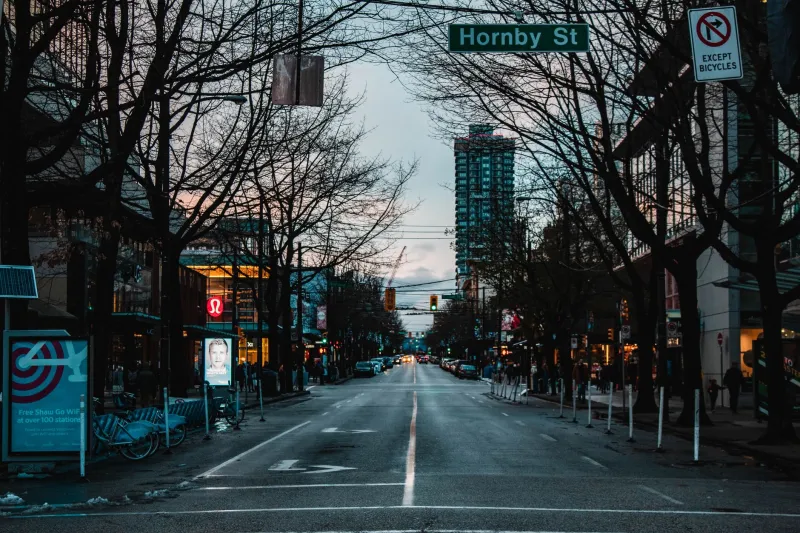
Picture this: It's 7 PM on a Wednesday in Cleveland, 1965. Downtown streets that buzzed with activity just an hour ago have gone quiet. Store gates are pulled down, restaurant signs have been switched off, and the only lights come from street lamps and the occasional passing car. This isn't a power outage or economic collapse — this is just how American cities worked.
For most of the 20th century, American urban life operated on a schedule that would seem almost quaint today. Cities had bedtimes. Not official ones, but understood rhythms that governed when businesses operated and when they didn't. The idea of grabbing groceries at midnight or getting a haircut at 10 PM would have seemed as strange as wearing pajamas to work.
The Rules That Governed the Night
This wasn't just cultural habit — it was often the law. Blue laws, dating back to colonial times, prohibited most commercial activity on Sundays. Many states extended these restrictions to limit evening hours throughout the week. In Pennsylvania, you couldn't buy a car on Sunday until 1959. In Connecticut, Sunday alcohol sales were banned until 2012.
Union agreements reinforced these boundaries. Retail workers had contracts that specified evening hours, with premium pay for anything beyond standard business hours. This made extended hours expensive for employers and created a natural pressure toward consistent closing times across entire business districts.
Local ordinances often required restaurants and bars to close by specific hours — typically 9 PM for restaurants and midnight for bars, with earlier times in residential areas. These weren't suggestions; they were enforced by police who would actually check that businesses had properly shut down.
The Social Contract of Shared Time
What emerged was something remarkable: a collective rhythm to daily life that synchronized entire communities. When stores closed at 6 PM, everyone shopped during the same window. When restaurants closed at 9 PM, dinner became an event with natural boundaries. When everything shut down on Sunday, families actually spent time together because there weren't many alternatives.
This shared schedule created unexpected social benefits. Workers in the same neighborhood would often leave their jobs at similar times, creating natural opportunities for interaction. The evening rush wasn't just about commuting — it was about community members moving through shared spaces at predictable times.
Downtown areas would transform completely after business hours. Streets that were packed with shoppers and office workers during the day became quiet enough for children to play. The separation between commercial time and personal time was clear and respected.
The Pressure Points
By the 1970s, this system was under pressure from multiple directions. Dual-income households needed shopping hours that fit around two work schedules. Suburban sprawl created communities where people commuted longer distances and arrived home later. Chain stores began to see extended hours as a competitive advantage.
The deregulation movement of the 1980s systematically dismantled many of the laws that had enforced collective closing times. States repealed blue laws. Local ordinances were relaxed. Union membership declined, reducing the organized pressure for standard hours.
Big box retailers like Walmart pioneered the concept of extended hours as a customer service feature. If one store stayed open until 10 PM, others had to match or risk losing business. The competitive pressure gradually pushed closing times later and later.
The 24-Hour Revolution
The transformation accelerated through the 1990s and 2000s. Gas stations had always been among the first businesses to extend hours, but now grocery stores, pharmacies, and restaurants joined them. The phrase "24-hour" went from being unusual to being a selling point.
Technology made this possible. Security cameras reduced the risk of overnight operations. Computer systems automated many tasks that had previously required daytime staff. Credit card processing eliminated the need for banks to be open for business transactions.
The internet completed the revolution. Online shopping meant that retail never really closed. You could buy anything, anytime, from anywhere. The physical limitations that had once governed commerce — the need for staff, for security, for customer traffic — became increasingly irrelevant.
What We Gained
The benefits of our always-open economy are obvious and significant. Working parents can grocery shop after their kids are asleep. Shift workers can access services during their off-hours. Emergency needs can be met without waiting for business hours.
The gig economy has created opportunities for people to work flexible schedules that fit their lives. Night owls can find employment that matches their natural rhythms. Urban areas have become more vibrant and safer, with more "eyes on the street" at all hours.
For many Americans, the ability to shop, eat, or access services at any hour represents a fundamental improvement in quality of life. The old system's rigid schedule could be genuinely inconvenient, especially for people whose work or family obligations didn't fit the standard pattern.
What We Lost
But something was sacrificed in this transformation. The shared rhythm that once synchronized communities has been replaced by individual schedules that rarely align. The predictability that allowed people to plan social interactions around common closing times has disappeared.
Workers in the service economy now face the expectation of constant availability. The clear boundary between work time and personal time has blurred. The idea of a collective weekend or evening — time when an entire community was "off" — has become almost unimaginable.
Downtown areas that once had distinct day and night personalities now operate in a kind of perpetual twilight. The dramatic transformation that occurred when a business district shut down for the evening — the shift from commercial to personal space — no longer happens.
The New Urban Rhythm
Today's American cities operate on individual schedules rather than collective ones. Some people are starting their day while others are ending theirs. The coffee shop that opens at 5 AM serves both early commuters and late-night workers heading home.
This individualization of time reflects broader changes in American society — the decline of shared institutions, the rise of customized experiences, and the prioritization of convenience over community. We've gained flexibility and lost synchronization.
The old system of shared closing times now seems as antiquated as party-line telephones or milk delivery. But it represented something that's worth remembering: a time when American communities moved to the same rhythm, when the boundary between work and rest was respected, and when cities actually went to sleep.